


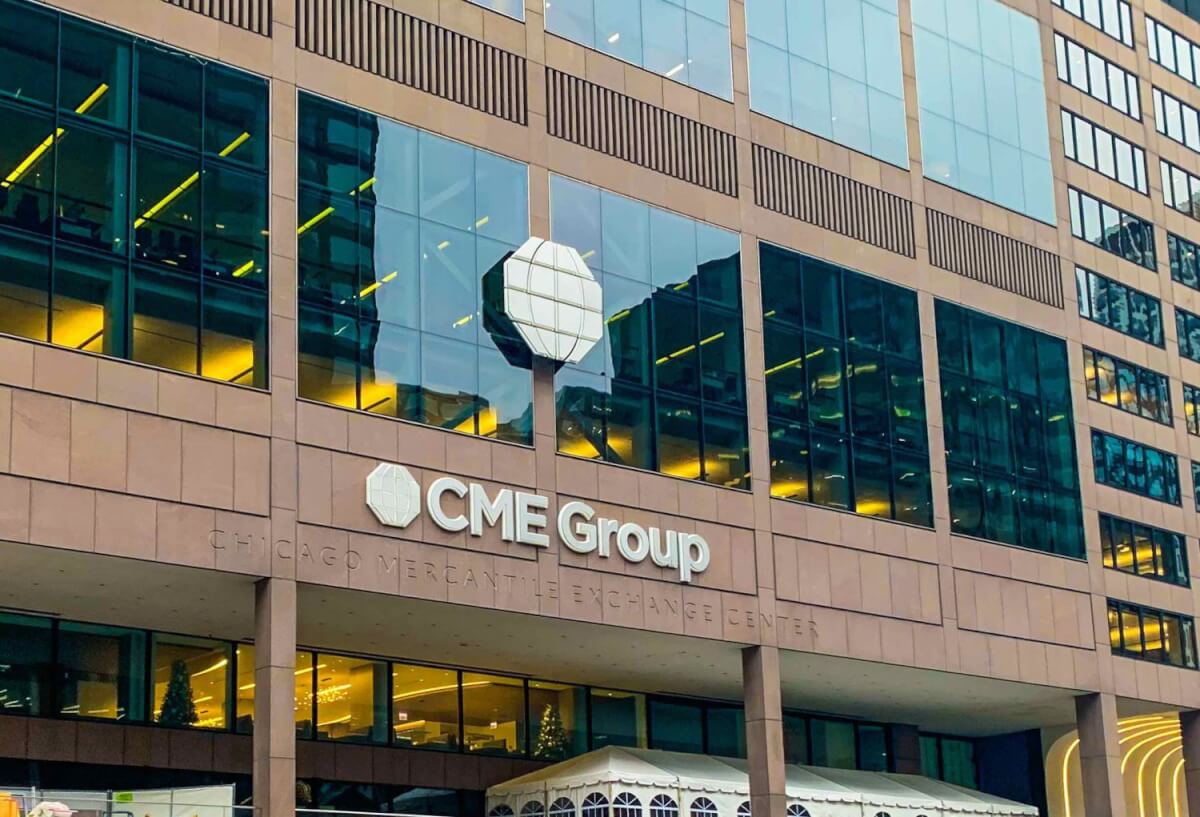
CME Group said it plans to roll out around-the-clock trading for its cryptocurrency futures and options markets, bringing the regulated U.S. derivatives venue closer in line with the nonstop nature of digital asset markets.
The Chicago-based exchange said on Thursday the service could begin in early 2026, subject to regulatory approval. The model would allow clients to trade CME’s bitcoin and ether futures and options at any hour of the day through its Globex platform, apart from a brief weekly maintenance window.
“Client demand for around-the-clock cryptocurrency trading has grown as market participants need to manage their risk every day of the week,” said Tim McCourt, CME’s global head of equities, FX and alternative products. “Ensuring that our regulated cryptocurrency markets are always on will enable clients to trade with confidence at any time.”
From business hours to continuous trading
CME currently pauses trading in its crypto contracts on weekends and outside business hours, a structure that contrasts with the constant activity in spot crypto markets and offshore derivatives venues. Under the proposed system, trades executed on weekends and holidays would still settle on the next business day, preserving consistency in clearing and reporting.
By offering near-continuous access, CME is betting it can attract more institutional volume from investors who want the safeguards of a regulated exchange without the time restrictions that push some activity toward less-regulated offshore platforms.
CME has become the leading regulated marketplace for institutional crypto derivatives. According to CoinGlass, its bitcoin futures are the largest globally by open interest with contracts worth $16.8 billion outstanding, while ether futures account for $9.8 billion.
That presence has been built despite the limited hours. Offshore rivals, including Binance and Bybit, have long provided uninterrupted trading but lack CME’s oversight by U.S. regulators and clearing infrastructure. Expanding hours could give CME a sharper edge against those platforms by combining institutional safeguards with crypto’s always‑on liquidity.
The change is aimed squarely at money managers and trading firms that have integrated bitcoin and ether into their strategies. For hedge funds, pension allocators and corporates, managing exposure often requires the ability to adjust positions when markets move outside New York or London trading hours.
Regulatory review will determine how quickly CME can move forward. U.S. watchdogs have scrutinized crypto derivatives in recent years, weighing investor protection concerns against demand from institutions for more transparent venues.
If approved, the around-the-clock model would mark one of the biggest structural adjustments since CME launched bitcoin futures in 2017. The exchange added ether futures in 2021 and has steadily expanded its suite of options contracts.
The upgrade reflects how crypto markets, once dismissed as a weekend casino, are becoming integrated into the broader financial system. For CME, it is a chance to reinforce its standing as the dominant regulated venue for institutional crypto trading—this time, on crypto’s own schedule.