


Adobe has announced that ChatGPT users can now access its design and editing tools directly on the platform. Starting from today, users can utilize Photoshop, Acrobat, and Adobe Express directly from the AI chatbot.
In a blog post made on Wednesday by the company, the aim of this initiative is to help users save time by eliminating the need to switch between applications. This development represents a partnership between OpenAI and Adobe.
“We’re thrilled to bring Photoshop, Adobe Express and Acrobat directly into ChatGPT, combining our creative innovations with the ease of ChatGPT to make creativity accessible for everyone,” said David Wadhwani, president, digital media, Adobe.
As the feature is free, users can activate it by typing the name of the app alongside an uploaded file and prompt, such as "Adobe Photoshop, help me blur the background of this image." Furthermore, users will not have to specify the app's name again within the same thread of prompts when making additional changes.
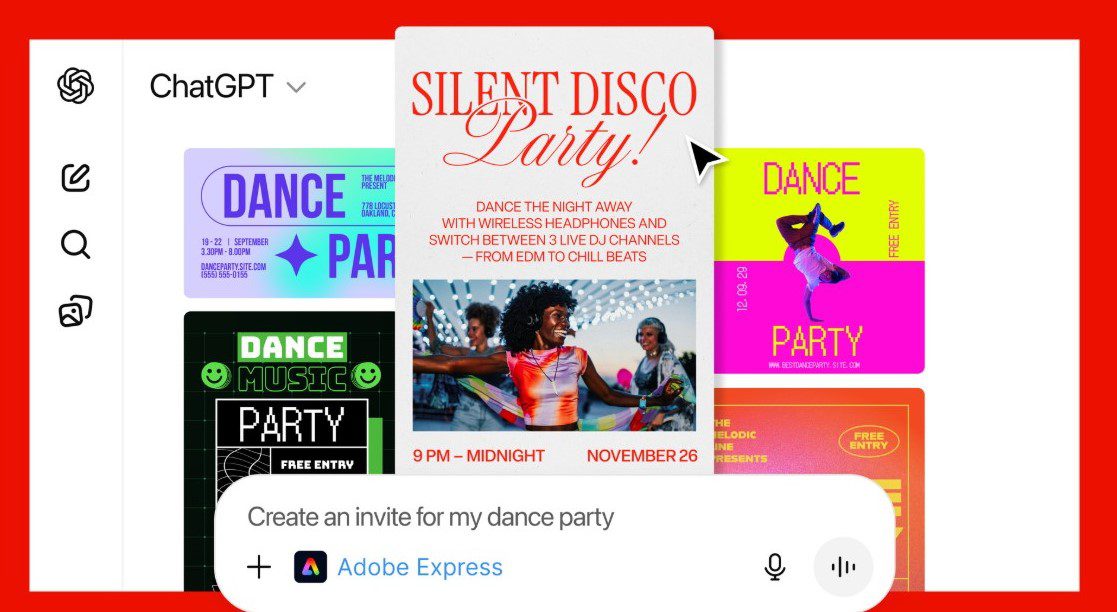
While prompts vary, Adobe’s apps may offer a selection of results to choose from or provide options such as Photoshop sliders for adjusting contrast and brightness. It can also present a range of results that users can manually control and select.
However, the in-app functionalities do not provide the full capabilities of Adobe’s desktop software.
For instance, the Photoshop app can only edit specific sections of images, apply creative effects, and adjust image settings like brightness, contrast, and exposure. Additionally, Acrobat within ChatGPT can edit existing PDFs, compress and convert other documents into PDF format, extract text or tables, and merge multiple files together.
The Adobe Express integration in ChatGPT allows users to generate and edit designs, such as posters, invitations, and social media graphics. Users can also access photos, designs, and PDFs they started in the chatbot directly within the applications and continue editing them.
These new features are currently available on ChatGPT's desktop, web, and iOS platforms. Adobe Express for ChatGPT is also available on Android, with support for Photoshop and Acrobat for ChatGPT on Android expected soon.
For OpenAI, the integration of an additional everyday tool is an effort to retain users on ChatGPT and encourage them to spend more time on the platform. It also serves as a strategy to counter competition from Google's Gemini AI, Meta's AI, and other rivals.
ChatGPT's App Integration Expansion
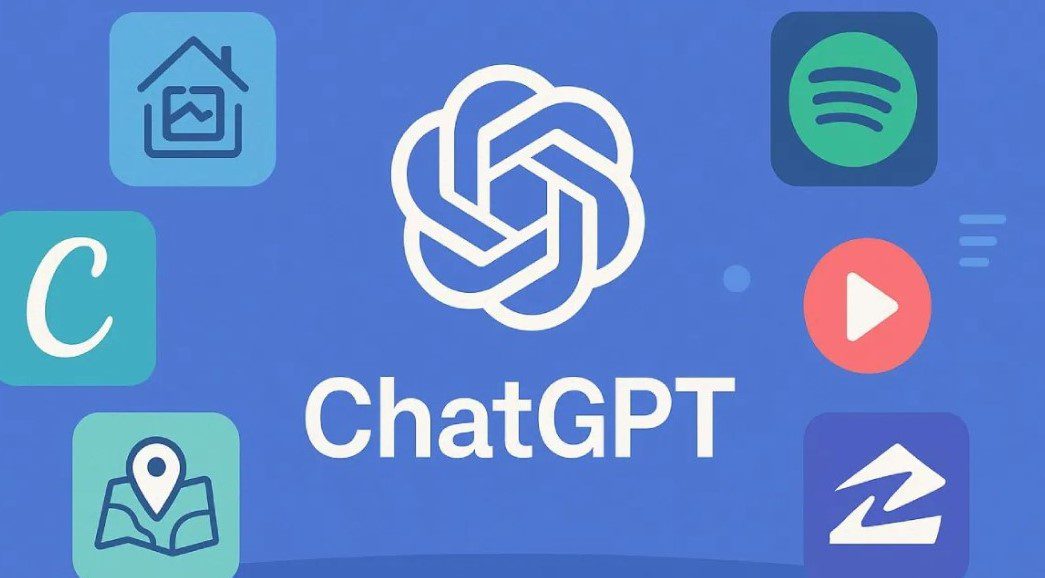
In October, OpenAI initiated its campaign for app integration into its chatbot. The initial rollout allowed users to connect third-party services such as Spotify, Canva, and Zillow directly within ChatGPT conversations, enabling actions like creating music playlists and generating designs.
“The magic of this new generation of apps in ChatGPT is how they blend familiar interactive elements—like maps, playlists and presentations—with new ways of interacting through conversation,” the company stated in October.
OpenAI also disclosed that 11 additional partners, including Khan Academy, Uber, TripAdvisor, Instacart, and DoorDash, are scheduled to launch their apps on the chatbot before the end of 2025.
The company emphasized that all integrated apps must comply with OpenAI’s usage policies, privacy standards, and partner rules for third-party integrations. This compliance is essential to limit the information that apps can access and to ensure users maintain control over their privacy.