


The Central Bank of Nigeria (CBN) has decided to maintain its monetary policy rate (interest rate) at 27%. This decision is part of the bank's ongoing efforts to manage inflation and stabilize the foreign exchange market.
During a press conference following the 303rd Monetary Policy Committee (MPC) meeting, CBN Governor Olayemi Cardoso stated that the decision to hold the interest rate steady reflects the committee's commitment to a tight monetary stance. The CBN had previously lowered the MPR from 27.5% to 27% in September, marking the first reduction since the post-COVID period.
Cardoso elaborated that the committee members are not yet convinced that economic conditions have reached a sufficient level of stability to justify another rate reduction. He confirmed, "The Committee decided by a majority vote to maintain the monetary policy stance."

The Monetary Policy Rate (MPR) serves as the benchmark interest rate in the economy, with all other rates being set in relation to it. The CBN's sustained elevated rate is intended to support its aggressive measures aimed at curbing rising prices and restoring investor confidence.
While an increase in the interest rate was not anticipated, a modest decrease had been expected given the continuous decline in the inflation rate. The decision to maintain rates firm, particularly under Governor Cardoso's leadership and its tightening policy, underscores the bank's continued caution amidst prevailing economic pressures.
In contrast to the previous year, when both inflation and interest rates were high, this year has seen a reversal, especially concerning the inflation rate. The inflation rate dropped for a seventh consecutive time to 16.05% in October 2025, down from 18.02% in September and 20.12% in August.

Although the MPR was retained at 27%, the CBN did adjust the corridor around the MPR. It was moved to +50-450% from the previous +250/-250% set in September 2025. Furthermore, the CBN maintained key monetary tools, including the Cash Reserve Ratio at 45% for Deposit Money Banks and 16% for Merchant Banks. The Liquidity Ratio remained unchanged at 30%.
The last reduction in the interest rate occurred in September 2020, when it was lowered from 12.5% to 11.5% to provide economic support during the COVID-19 pandemic.
Retained Interest Rate: Continued Effort at Economic Recovery
The CBN's decision to retain the interest rate, even after two consecutive months of declining inflation rates since the last MPC meeting, highlights the dynamic nature of the Nigerian economy. Following the reduction of the MPR to 27% in September, the inflation rate subsequently decreased to 18.02% and then to 16.08% in the following two months.
The committee's decision also indicates the CBN's deliberate and measured approach to managing Nigeria's economic recovery.
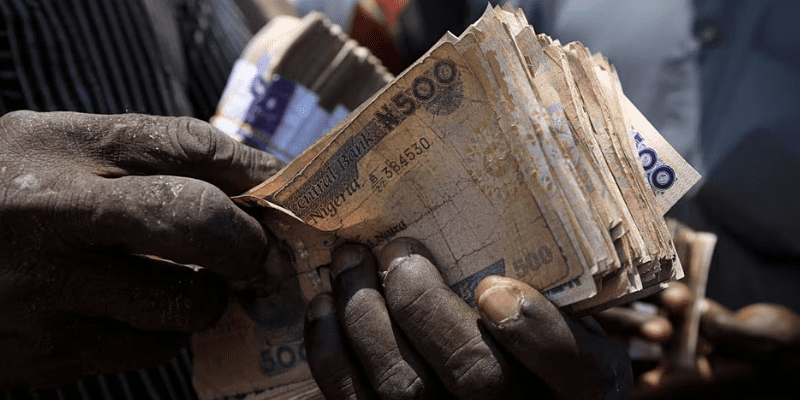
For Nigerians, the retention of the interest rate presents a complex situation. While it suggests an environment conducive for businesses to flourish and potentially increased purchasing power, it also underscores the unpredictable nature of economic policy adjustments, as evidenced by the MPC's recent reactions.
However, if the current momentum of inflation reduction continues, there is a possibility that the interest rate may be lowered in the future.