



Bolt has announced the significant milestone of completing over 400 million trips in South Africa since its inception in 2016. This achievement solidifies its position as having one of the largest user bases on the continent. The company highlighted a substantial increase in platform activity across the nation as it shared this news.
Simo Kalajdzic, Senior Operations Manager, stated that Bolt currently serves approximately 1.4 million passengers monthly, with the support of more than 40,000 active drivers. The platform's operations span all nine South African provinces and extend to 23 cities, underscoring its considerable expansion since its market entry.
These figures were released concurrently with Bolt's adaptation to new e-hailing regulations mandated by the National Department of Transport. These regulations encompass requirements for platform licensing fees, driver licensing, and the mandatory inclusion of physical panic buttons in e-hailing vehicles.

Adjusting to New Sector Rules
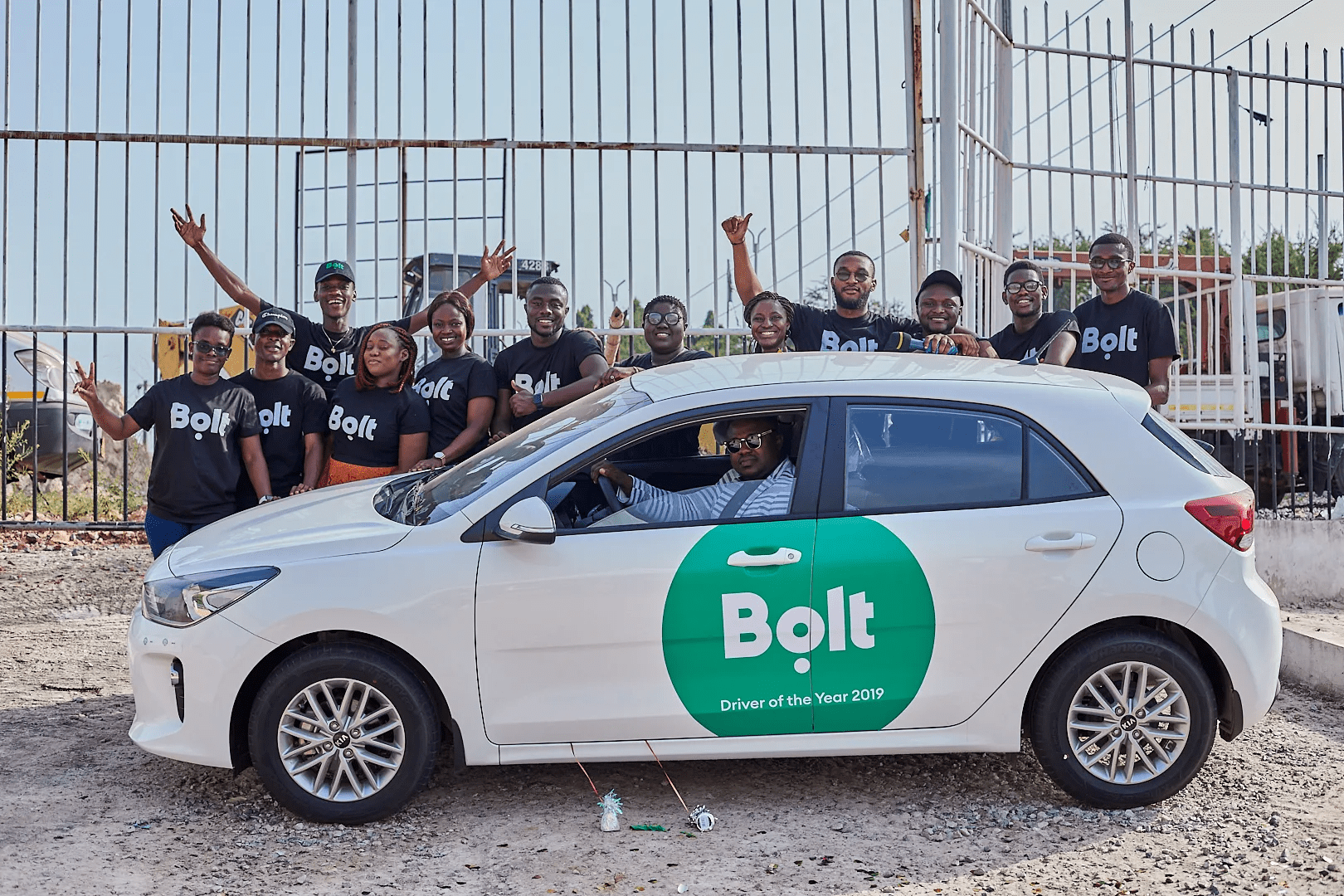
Under the new regulations, Bolt is required to pay a R5,000 licensing fee every seven years to maintain legal operation of its platform. Drivers are also responsible for obtaining their own operating licenses, costing approximately R1,000 each. Bolt is actively exploring strategies to mitigate these costs for drivers and plans to offer free vehicle branding to those who opt to participate in this initiative.
The updated rules stipulate that e-hailing vehicles must be easily identifiable, though specific company branding is not mandatory. Drivers have the flexibility to use their own branding, provided the vehicles adhere to the new identification guidelines.
Furthermore, the regulations mandate the installation of physical panic buttons in all e-hailing vehicles. Bolt is collaborating with a private armed response company to implement this safety feature across its fleet. The primary objective of the panic button is to enhance the safety of both riders and drivers, aligning with the broader aims of the regulatory changes.
Impact on Drivers, Compliance, and the Market
Bolt has also announced the organization of workshops in collaboration with the Department of Transport to assist drivers in understanding and complying with the new processes, offering support throughout this transitional period. The company has emphasized that many drivers are still in the process of adapting to these changes, particularly concerning licensing expenses and new vehicle identification requirements.
The increased emphasis on compliance within the e-hailing industry is largely driven by growing demands for enhanced safety protocols and improved driver accountability. Bolt believes that the implementation of more distinct vehicle markings and the introduction of panic buttons will significantly contribute to this evolving landscape as the rollout progresses.

With over 400 million trips completed and millions of users engaging with the platform monthly, Bolt's future trajectory in South Africa will be significantly influenced by the speed at which drivers adapt to the new regulations and the company's adherence to compliance deadlines across all its operational cities.