
Navigating Crypto News

CoinFeather
Navigating Crypto News

Quick market read from this story
BlinkEx prioritizes core trading infrastructure and risk controls over rapid feature expansion, signaling a focus on stability and reliability for its early access users.
The exchange's controlled scaling approach via invite-only access aims to mitigate performance issues during high-volume periods, suggesting a strategy to build user trust through consistent execution.
BlinkEx's emphasis on 'boring' engineering, including predictable fills, robust risk management (BlinkGuard), and disciplined listing policies, positions stability as a competitive advantage in the exchange sector.
The platform's commitment to transparency through proof-of-reserves and security audits, alongside jurisdiction-aware compliance, aims to build a foundation for responsible operation and user confidence.
Deep Dive
BlinkEx, a new cryptocurrency exchange, is launching in early access with a focus on fast spot execution and conservative safety defaults. The platform emphasizes its trading infrastructure, which includes order matching, risk controls under the BlinkGuard system, and foundational compliance measures. Unlike exchanges that launch with extensive features, BlinkEx is adopting a phased approach, prioritizing stability, security, and market integrity before expanding its offerings.
The exchange's infrastructure is built around three key components: order matching, system behavior under stress, and safety mechanisms. BlinkEx's early access program, which is invite-based, aims to facilitate controlled scaling, real-world stress testing, and rapid iteration. This approach is designed to minimize unexpected issues during periods of high volatility by avoiding unlimited traffic from day one. The initial focus is on core functionalities such as spot trading for a curated selection of assets, low-latency order matching, responsive execution, account-level safety controls, and robust operational monitoring and support systems.
BlinkEx highlights its commitment to predictable performance during high-volume periods, consistent execution behavior, and minimal downtime. The order path is designed to be straightforward: orders are submitted, validated, matched with available liquidity, and confirmed with updated balances and history. The platform aims to reduce issues like unjustified slippage, inconsistent fills, and unexpected downtime. The BlinkGuard system acts as a real-time risk monitoring layer, detecting and responding to suspicious activities through behavioral anomaly detection, adaptive withdrawal safeguards, and automated throttling during potential compromise events.
Reliability is a key outcome for BlinkEx investments, ensuring users can place orders, receive confirmations, and manage funds without encountering platform-related risks. The exchange is building its infrastructure with a horizontally scalable matching engine, active-active redundancy, real-time monitoring, and disaster recovery plans. BlinkEx also plans to implement recurring transparency measures, including proof-of-reserves reporting, transparency reports, and external security audits to build user trust.
Compliance is integrated as a foundational layer at BlinkEx, shaping user flows, limits, and incident handling. The platform is adopting a jurisdiction-aware rollout strategy, ensuring features are deployed only where legal and operational frameworks exist. Key operational components include Know Your Customer (KYC)/Anti-Money Laundering (AML) onboarding and sanctions screening. BlinkEx also prioritizes market integrity over rapid feature expansion, with a paced listing process that evaluates market quality, liquidity, technical maturity, and long-term viability of assets. Post-listing, the exchange will monitor liquidity, conduct anti-manipulation surveillance, and maintain delisting procedures with transparency.
In summary, BlinkEx aims to leverage predictability and stability as competitive advantages. The platform focuses on delivering stable trade fills, controlled scaling, and robust guardrails to mitigate operational risks as the product matures. Users are encouraged to evaluate the infrastructure through consistent performance, clear security signals, and a disciplined listing cadence that favors market quality.
Source, catalyst, and sector overlap from the latest feed.
The shift in Federal Reserve expectations towards potential rate hikes, driven by rising oil prices and inflation fears, creates a challenging macro environment for Bitcoin by increasing the cost of capital and reducing risk appetite. Bitcoin's correlation with risk assets like equities is strengthening, meaning that tighter financial conditions and higher yields on traditional assets are likely to pressure BTC prices, overriding its traditional inflation hedge narrative. The market faces two diverging paths: a bull case where oil prices recede and the Fed pivots back to easing, potentially boosting Bitcoin, versus a bear case where persistent inflation forces sustained higher rates, pressuring Bitcoin as a risk-off asset. Upcoming economic data releases, including jobs reports and PCE inflation figures, will be critical in determining whether Bitcoin's inflation hedge narrative regains traction or if the liquidity headwind deepens due to hawkish Fed policy.
A breakthrough in Senate negotiations on the CLARITY Act, specifically regarding stablecoin-yield language, signals a potential easing of regulatory uncertainty that has been a drag on institutional adoption. Improved legislative clarity is expected to bolster institutional comfort and confidence, potentially leading to increased demand for Bitcoin ETFs and greater participation in regulated crypto markets over the medium term. While a definitive passage of the CLARITY Act is not guaranteed, the market is likely to price in the increasing probability of its eventual approval, influencing institutional capital flows and market depth. The resolution of the stablecoin-yield dispute removes a key bottleneck, suggesting that progress on broader market structure legislation could unlock further institutional capital and support for digital assets.
The article argues that Total Value Locked (TVL) is an insufficient metric for DeFi protocols, as it measures capital inflow rather than capital protection. A proposed new metric, Total Value Covered (TVC), aims to measure explicitly protected capital, which is presented as a more relevant indicator for institutional adoption and protocol durability. Shifting focus from TVL to TVC would incentivize protocols to prioritize robust architecture, governance, and risk management over simply attracting deposits, fostering a healthier DeFi ecosystem. The increasing use of stablecoins for settlement and growth in lending and RWA markets highlights the need for more sophisticated metrics that reflect actual capital security for mainstream financial integration.
The CFTC's no-action relief for Phantom allows crypto wallets to serve as consumer interfaces for regulated derivatives, potentially integrating trading into self-custody experiences. This regulatory development separates interface risk from market risk, enabling wallets to display market data and accept orders without holding customer assets or managing custody. The ruling could position wallets as multi-product financial operating systems, competing with traditional brokerages for retail trading distribution if the model generalizes. While a potential bull case exists for wallets becoming integrated financial hubs, regulatory headwinds from Congress and state actions present a significant bear case.
The SEC's potential shift to semi-annual reporting for public companies could reduce transparency, potentially widening the information gap between institutional investors and retail traders. Reduced mandatory disclosures may encourage a focus on long-term strategy over short-term performance for public companies, a shift that could indirectly influence market sentiment and investment approaches. While not directly impacting crypto assets, this regulatory change in traditional finance signals a broader trend towards easing corporate reporting burdens, which could be viewed as a positive backdrop for market innovation.
The convergence of a congressional hearing on tokenization and the SEC's approval of Nasdaq's pilot program signals a significant shift from conceptual discussion to policy prioritization for tokenized securities. The SEC's reaffirmation that tokenized assets remain securities under federal law, regardless of blockchain implementation, provides a clearer regulatory baseline for institutional adoption and market development. The CFTC's prior guidance on using Bitcoin and Ethereum as collateral for futures, coupled with Congress's focus on broader tokenization, suggests a coordinated regulatory approach to integrating digital assets into traditional finance. Nasdaq's pilot program, designed for integration with existing infrastructure like the Depository Trust Company, indicates a pragmatic approach to tokenization that prioritizes investor protection and market stability.
Critical security updates for Chrome and iOS highlight systemic risks to user devices, potentially impacting the security of private keys and sensitive data stored on compromised systems. The Ledger CTO's warning underscores the inherent trust assumptions in browser and computer security for managing digital assets, suggesting users should maintain extreme vigilance. Binance's alert regarding an iOS exploit chain emphasizes the need for immediate system updates across all user devices to mitigate potential data extraction, including crypto wallet information. While not directly a protocol or exchange vulnerability, these widespread OS and browser exploits create a heightened risk environment for all crypto users, potentially leading to indirect asset loss.
Grayscale's filing for a HYPE token ETF signals increasing institutional interest in decentralized derivatives platforms, potentially broadening access to Hyperliquid's trading volume beyond crypto-native participants. The Hyperliquid network's substantial derivatives trading volume ($50B weekly) and high fee revenue ($1.6M daily) highlight its growing dominance in the decentralized derivatives sector, outperforming established L1s in revenue generation. The proposed GHYP ETF, if approved, could drive significant capital inflows into the HYPE token, potentially impacting its price and the broader DeFi derivatives market, especially given its outperformance against BTC and ETH year-to-date. Hyperliquid's ability to facilitate trading on traditional assets like the S&P 500, oil, and gold, alongside crypto, presents a unique value proposition that attracts diverse traders and could set a precedent for future decentralized exchange offerings.
Bitcoin options markets are signaling increased fear and demand for downside protection, with put premiums significantly outweighing call premiums, indicating professional traders are not confident in current price levels holding. Despite recent ETF outflows, the volume is too small to confirm a bearish institutional pivot, suggesting that broader macroeconomic concerns like rising oil prices and geopolitical tensions are the primary drivers of current market caution. The underperformance of Bitcoin relative to the S&P 500, coupled with heightened inflation fears from energy price surges, suggests a challenging near-term outlook for BTC as risk aversion increases. The current market sentiment, driven by macroeconomic instability and geopolitical risks, points to a cautious trading environment where traders are actively hedging against potential price declines.
Live Feed
Loading the broader stream in the same flow as the homepage feed.

Bitcoin options markets are signaling extreme investor fear, with put premiums reaching an all-time high relative to spot volume, indicating a strong demand for downside protection. Despite the defensive positioning in options, historical data from VanEck suggests that such high levels of fear have often preceded significant Bitcoin price appreciation over the medium to long term. The cooling of leveraged speculation, evidenced by lower futures funding rates and reduced realized volatility, combined with record put option premiums, suggests a market sentiment that, while fearful, may be setting up for a potential reversal.
A hypothetical XRP price of $10 would significantly enrich a broad base of retail holders, not just existing whales, highlighting potential wealth distribution in future rallies. The analysis of XRP's rich list suggests that patient retail investors who accumulated during periods of low sentiment could see substantial gains if the token reaches higher valuations. The distribution of XRP holdings indicates that a significant number of smaller wallets could transition to millionaire status, underscoring the importance of long-term accumulation strategies.

Widespread layoffs across multiple crypto firms, including Algorand, Gemini, and Crypto.com, signal a significant industry contraction driven by weak market conditions and a strategic pivot towards AI integration. The narrative of AI replacing jobs is being questioned by industry observers who point to sector-specific contractions (restaking, DePIN, L2s) and M&A activity as primary drivers of recent layoffs, suggesting a market consolidation rather than a purely technological shift. The substantial number of job cuts, estimated at around 450 in recent weeks, indicates a severe downturn, potentially mirroring the scale of losses seen in the 2022 crypto winter, suggesting a prolonged period of reduced hiring and industry restructuring. While companies cite macro headwinds and AI transformation, the underlying cause appears to be a broader industry consolidation and cost-cutting measures to survive a prolonged downturn, impacting talent availability and potentially slowing innovation in certain sectors.

Publicly traded companies are accumulating significant Ethereum reserves, now holding over 6% of the total supply, signaling growing institutional adoption beyond Bitcoin. The trend highlights a shift in corporate treasury strategies, with firms like BitMine and Sharplink aggressively acquiring ETH, potentially influencing market demand and price discovery. While some firms like BitMine face unrealized losses, the strategic accumulation by entities with strong ties to the Ethereum ecosystem, such as Sharplink with Joe Lubin, suggests a long-term conviction in ETH's value proposition. The diversification of these treasuries, including Bit Digital's pivot from Bitcoin mining and Forum's (formerly ETHZilla) foray into RWA tokenization, indicates evolving corporate strategies within the digital asset space.

The SEC's new interpretive guidance on digital asset classification, moving away from legislative rules, offers the crypto industry greater flexibility and clarity for the next 30 months. While the SEC guidance provides short-term clarity, the eventual codification of the CLARITY Act into law is crucial for long-term regulatory certainty, especially concerning DeFi and stablecoin provisions. A tentative deal between the White House and lawmakers on the CLARITY bill, despite past industry concerns, signals potential progress towards a more defined regulatory framework for digital assets.

Institutional capital is shifting focus from mere asset tokenization to the creation of programmable yield markets, indicating a maturation of DeFi's role in traditional finance. The development of hybrid market structures combining permissioned collateral with permissionless liquidity, alongside advancements in privacy-preserving technologies, is crucial for enabling institutional adoption of DeFi. DeFi's evolution towards replicating traditional fixed-income functionalities like collateral deployment, yield trading, and risk management suggests a potential migration of capital markets rather than just crypto adoption.
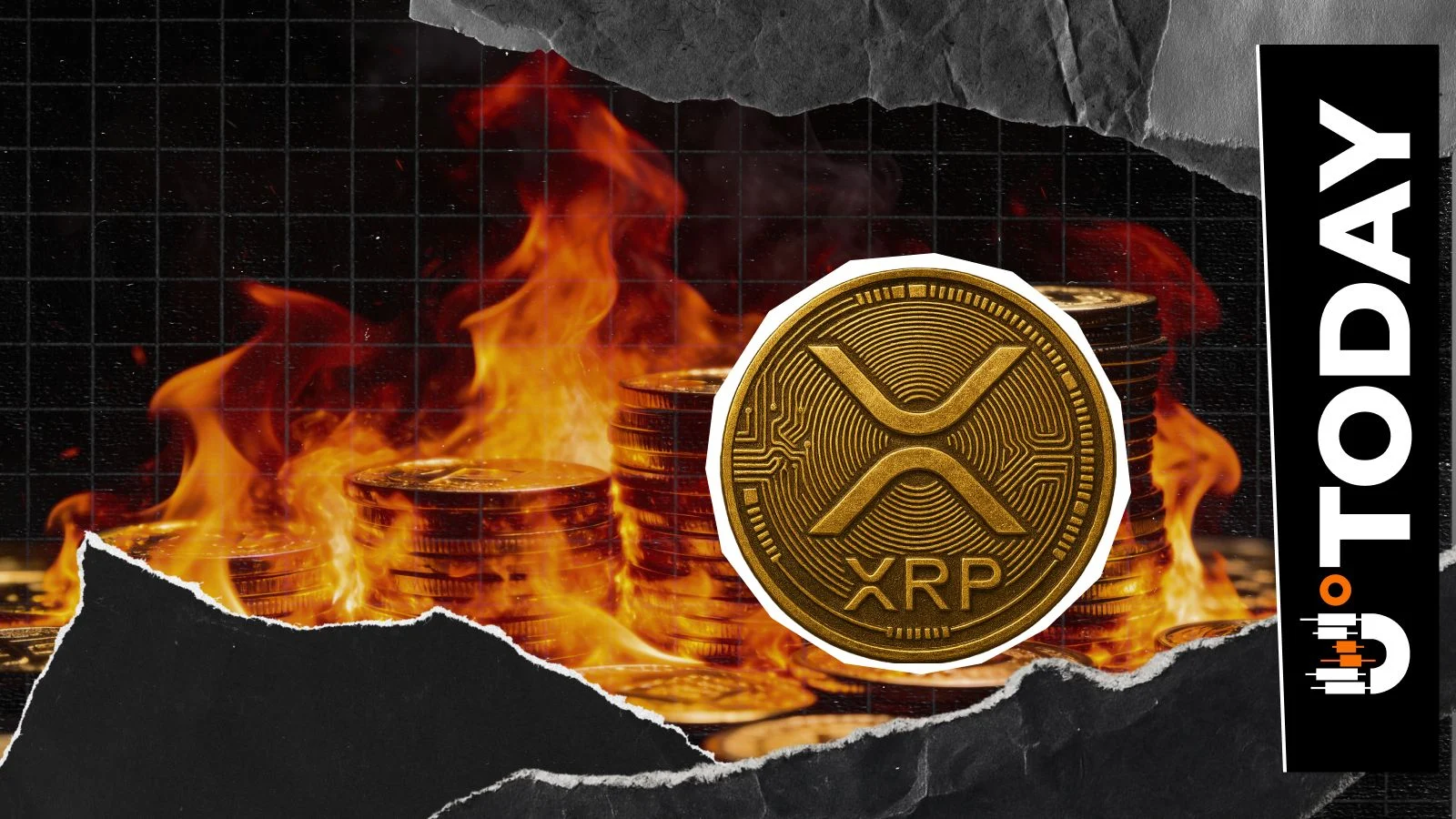
The XRP burn rate has surged 313% to 2,491 XRP, indicating increased network activity and a potential reduction in circulating supply. Despite a significant increase in on-chain burn activity, XRP's price has remained stagnant around $1.44, suggesting a divergence between network usage and market sentiment. The substantial increase in XRP burned as fees points to heightened transaction volume, which could signal growing adoption or speculative trading on the network.
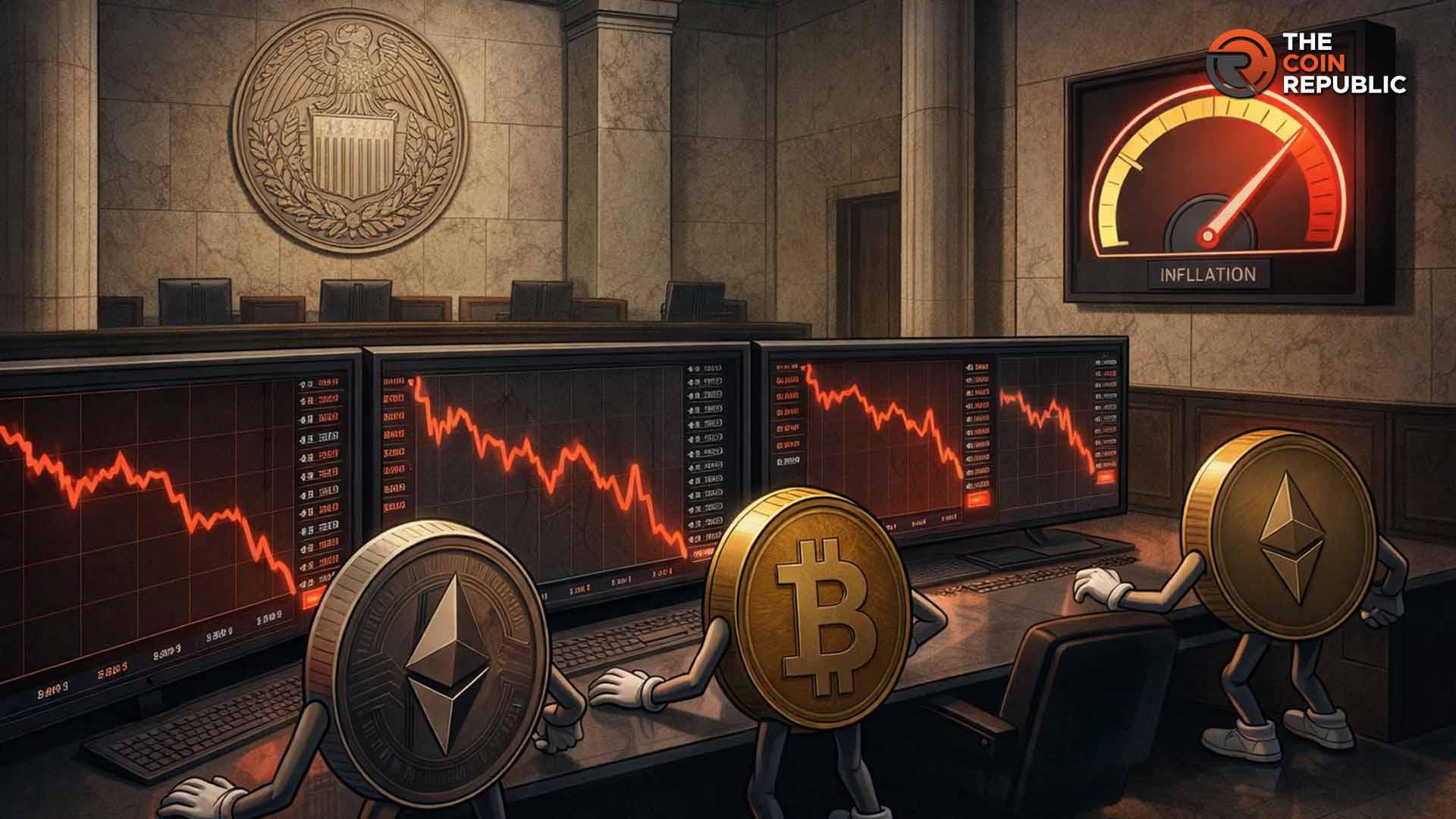
Rising US inflation risks and geopolitical tensions are causing traders to price out near-term Federal Reserve rate cuts, creating a bearish outlook for digital assets. Fed Governor Waller's shift in stance, influenced by higher oil prices and the prolonged US-Iran conflict, signals a more hawkish monetary policy outlook, pressuring risk assets like crypto. Jerome Powell's reinforcement of a data-dependent policy and the warning that rate cuts are contingent on meaningful inflation progress suggest a prolonged period of higher interest rates, dampening speculative investment in crypto. The potential for a Fed rate hike, as suggested by Bank of America under specific conditions like sustained oil price increases, introduces further downside risk to the crypto market.

Ethereum's richest whales returning to a profitable state historically precedes significant price rallies, suggesting a potential 25% upside toward $2,750 by June. On-chain metrics like the MVRV deviation bands and technical analysis of the ascending triangle pattern corroborate a bullish outlook, indicating potential support around $2,600. While historical data suggests a strong bullish trend following this whale profitability signal, past instances of sharp declines after similar flips warrant caution, implying a potential downside risk to $1,651 if key support fails. The confluence of whale sentiment, on-chain valuation bands, and technical chart patterns suggests a favorable risk-reward scenario for ETH, with potential for sustained upward momentum if current support levels hold.

Ledger's strategic expansion into New York with a new CFO and office signals a significant push to capture institutional demand in its largest market, potentially boosting its enterprise solutions. The appointment of a CFO with experience at Circle and a focus on traditional finance and digital assets indicates Ledger's commitment to bridging the gap for institutional adoption of its security infrastructure. Ledger's investment in AI and cryptography for enhanced digital asset security, coupled with its enterprise product suite, positions it to capitalize on growing institutional needs for secure digital asset management.

Crypto prediction markets like Polymarket demonstrated their ability to provide rapid, verifiable price signals, effectively debunking widespread conspiracy theories about Benjamin Netanyahu's status by pricing the probability of his departure at a low 5% amidst social media hysteria. The article highlights the growing role of prediction markets as a 'real-time geopolitical intelligence terminal' and a counter-narrative tool against propaganda, evidenced by significant trading volume during geopolitical events and its integration with traditional finance via the Intercontinental Exchange. Regulatory scrutiny is increasing, with proposed legislation aiming to ban contracts related to death and war, alongside state-level challenges like Arizona's charges against Kalshi, indicating a potential shift in the operational landscape for prediction markets. Despite potential wash trading and the theoretical possibility of manipulation on smaller markets, prediction markets like Polymarket offer a unique, capital-backed truth mechanism that resolves based on verifiable outcomes, contrasting sharply with unfalsifiable conspiracy theories.
The CFTC's decision to allow BTC and ETH as collateral in regulated futures markets grants them institutional legitimacy, enabling productive use within existing financial structures. The upcoming House Financial Services Committee hearing on tokenization signals legislative interest in integrating digital assets, suggesting a coordinated governmental approach to crypto regulation. The convergence of regulatory permission from the CFTC and legislative discussion, coupled with mature institutional infrastructure, transforms crypto collateral from a theoretical concept to an actionable market development. Firms that quickly operationalize these new collateral frameworks for BTC and ETH may gain a structural advantage as the window between regulatory approval and market adoption is likely to be short.

Bitcoin mining difficulty experienced a significant 7.76% drop, the second largest of 2026, indicating potential capitulation among less efficient miners and a possible shift in network hashrate distribution. Despite the difficulty adjustment, Bitcoin's price remains range-bound, with recent SEC guidance on classifying Bitcoin as a commodity failing to provide a sustained bullish catalyst. The market sentiment for Bitcoin appears neutral to cautious, as price action is constrained by broader risk-off sentiment and uncertainty around future Federal Reserve monetary policy.
Signal context only. Validate with price action, liquidity, and risk limits before taking a position.
