


Michael Saylor, executive chairman of MicroStrategy and a prominent Bitcoin advocate, has reiterated his perspective that Bitcoin's volatility is not a design flaw but an intrinsic feature that facilitates market adaptation to a new form of money. He posits that significant price movements keep Bitcoin in the global discourse, attracting attention and capital during rallies and prompting critical examination during downturns.
Saylor believes that Bitcoin's volatility serves as a catalyst for innovation within the financial ecosystem. While traditional markets often favor stability, Bitcoin's rapid fluctuations act as a stress test for existing infrastructure. This pressure encourages custodians to enhance security, exchanges to refine risk management, and developers to create improved tools for self-custody and transparent transaction settlement. Each market cycle, characterized by rallies followed by corrections, tends to expose weaker business models and excessive leverage, ultimately leading to a more robust infrastructure with regulated platforms, clearer regulations, and more reliable market data.
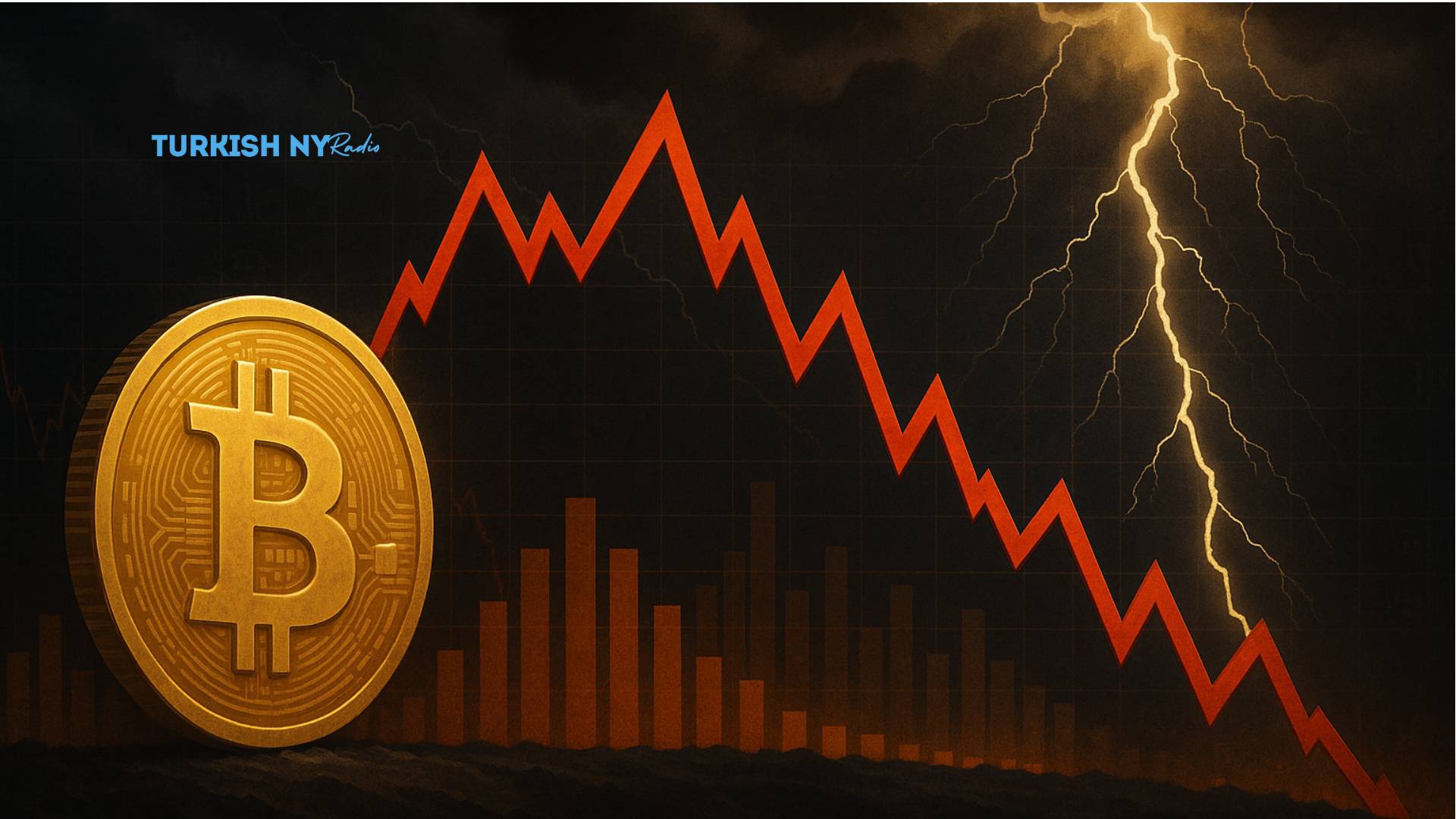
Bitcoin's Volatility as a Global Signal
Saylor also connects Bitcoin's volatility to its broader social and economic impact. Rapid price movements elevate Bitcoin beyond trading forums to become a subject of discussion in corporate boardrooms, newsrooms, and legislative chambers. This increased visibility exposes it to a wider audience, from retail investors encountering it on news tickers to regulators grappling with questions of capital flows and consumer protection.
For individuals living in environments with high inflation or strict capital controls, Bitcoin's volatility can present a compelling alternative to the steady erosion of purchasing power associated with local currencies. In such contexts, a volatile yet scarce digital asset may appear less risky than the continuous devaluation of savings.
Underlying Factors Driving Bitcoin's Swings
Bitcoin's volatility is influenced by a range of interconnected market indicators. The asset's market capitalization and its dominance within the broader digital asset space highlight its significance. Daily trading volumes indicate the level of financial activity, while liquidity on major exchanges plays a crucial role in determining the ease with which large transactions can be executed without causing extreme price shifts.
On-chain metrics provide further insights into user behavior and network activity. The number of active addresses, transaction counts, and the proportion of Bitcoin held by long-term investors offer clues about whether coins are being accumulated or spent. When long-term holders continue to accumulate while exchange supply dwindles, even modest increases in demand can lead to substantial price movements. Additionally, implied volatility in options markets and funding rates in futures markets serve as indicators of anticipated market turbulence or the extent of leveraged trading.
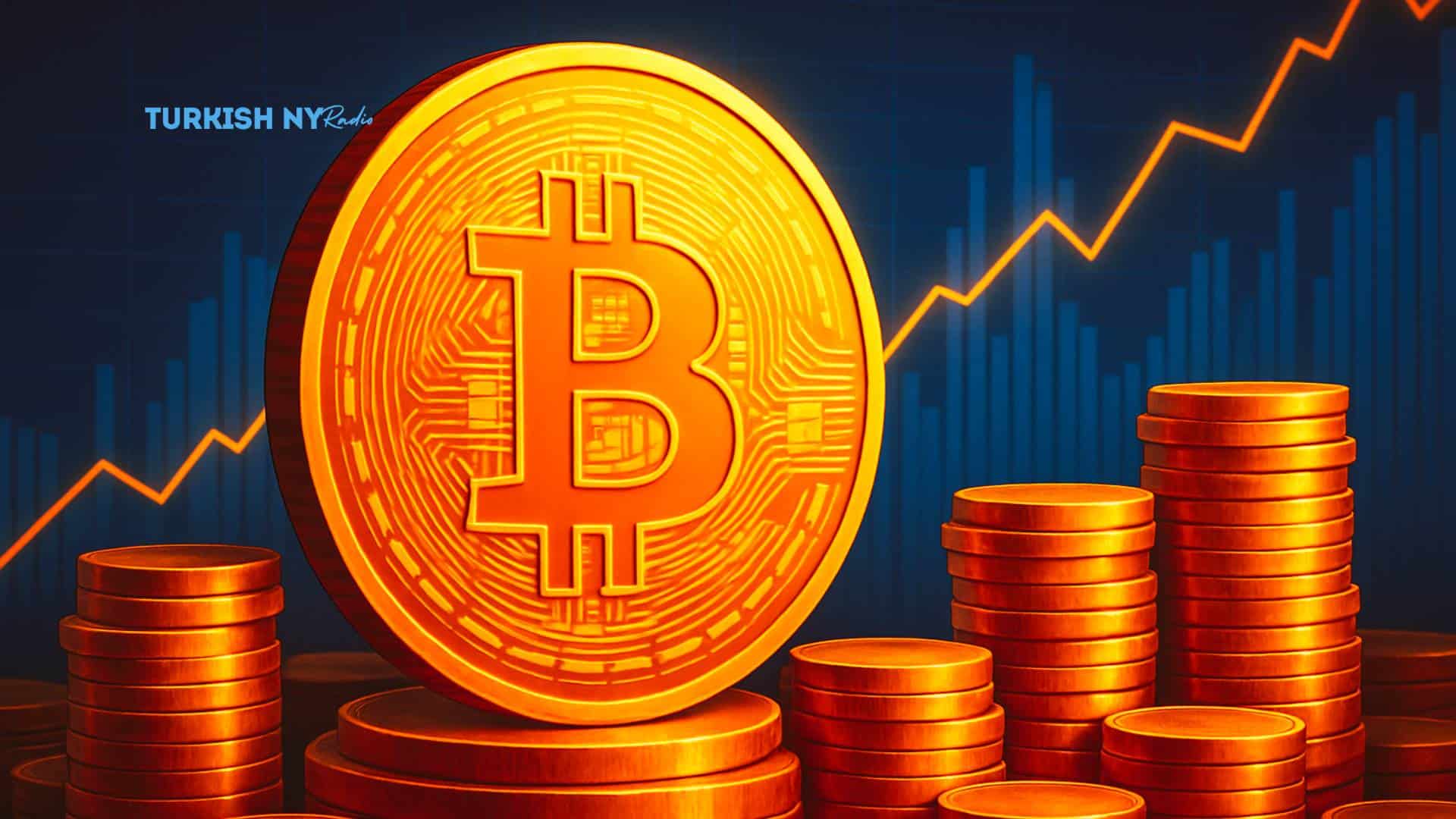
Implications for Long-Term Bitcoin Adoption
While short-term traders may perceive volatility primarily as risk, Saylor views it as a mechanism for transferring Bitcoin from less committed holders to more steadfast ones. The same price fluctuations that may deter cautious investors can also present disciplined buyers with recurring opportunities to establish or increase their positions.
It is important to acknowledge that Bitcoin remains a high-risk, speculative asset capable of significant price movements in either direction. Responsible investors typically incorporate it as a component of a diversified portfolio, conduct thorough research into the factors influencing its price swings, and seek professional advice when necessary. This article is intended for informational purposes only and does not constitute financial, investment, or legal advice.
Conclusion
Bitcoin's volatility is expected to persist even as the asset matures. It continues to serve as a spotlight on monetary systems perceived as fragile and acts as a magnet for talent, capital, and technological development. The characteristic that many critics identify as a flaw is, in Saylor's view, precisely what drives the ongoing evolution of the Bitcoin experiment for a global audience.
Frequently Asked Questions
What does Michael Saylor mean when he calls Bitcoin volatility a feature?
He believes that sharp price moves help draw attention, test weak ideas, and speed up adoption of Bitcoin as a new kind of monetary asset.
Is high volatility always good for Bitcoin investors?
No. High volatility can bring large losses as well as gains, so each investor needs clear risk limits, realistic time horizons, and a plan for downside moves.
Glossary Of Key Terms
Volatility
The size and speed of price changes over time. Higher volatility means larger and more frequent swings in both directions.
Market Capitalization
The total value of a crypto asset, calculated by multiplying the current price by the number of coins in circulation.
Bitcoin Dominance
The share of the total crypto market value that belongs to Bitcoin, used as a simple gauge of its influence within the wider digital asset space.