
Navigating Crypto News

CoinFeather
Navigating Crypto News

Quick market read from this story
Bitcoin's initial sell-off during the U.S.-Iran conflict has been followed by a pattern of higher lows, suggesting a strengthening resilience and potential safe-haven narrative re-emergence.
Despite geopolitical tensions, Bitcoin has outperformed traditional assets like the S&P 500 and equities, indicating a shift in investor perception towards its role as a shock absorber in volatile markets.
The observed compression between rising support levels and a persistent ceiling around $74,000 suggests an impending price resolution, with traders closely watching for a breakout or a breakdown.
Bitcoin's current market behavior positions it as a unique 24/7 liquidity pool that rapidly absorbs geopolitical shocks, differentiating it from traditional risk-on or risk-off assets.
Deep Dive
Bitcoin has demonstrated surprising resilience and outperformance against traditional assets like gold and the S&P 500 in the two weeks following the initial U.S. and Israeli strikes on Iran. Despite an initial 8.5% drop on February 28, when it was the only liquid market open to price the conflict, Bitcoin has since recovered and outperformed most major markets, with only oil and the dollar showing better performance due to their direct ties to the conflict.
The recent performance has revived discussions about Bitcoin's safe-haven status, which had been previously contested. Investors appear to be viewing Bitcoin as a rapid shock absorber, with market drawdowns becoming progressively smaller with each escalation of the Iran conflict. This suggests a maturing market that is absorbing geopolitical shocks more effectively.
Analysis of Bitcoin's price action reveals a consistent pattern of higher lows following each sell-off. On February 28, Bitcoin bottomed at $64,000. Subsequent lows were recorded at $66,000 on March 2, $68,000 on March 7, $69,400 on March 12, and $70,596 after the Kharg Island incident on March 14. This trend indicates that buyers are stepping in at progressively higher levels, while a ceiling around $73,000-$74,000 has rejected the price multiple times. This price compression suggests an eventual resolution, either through a breakout above the resistance or a significant downturn if a major escalation overwhelms buying pressure.
Over the same two-week period, Bitcoin's performance stands in stark contrast to other markets. While oil surged over 40%, the S&P 500 declined, gold experienced volatility, and Asian equities saw their worst week since March 2020. This highlights Bitcoin's unique market behavior in the face of geopolitical instability.
The current resilience is particularly notable when compared to earlier in the year. In early February, a significant liquidation cascade led to a $2.5 billion loss in leveraged positions and a sharp drop in Bitcoin's price. However, that event appears to have cleared out weaker market participants, leaving a leaner market better equipped to absorb subsequent war-related headlines without repeating similar forced selling.
The ongoing geopolitical situation, including statements from former President Trump regarding potential reconsideration of strikes on Iranian oil infrastructure and Iran's retaliatory threats, adds a layer of complexity. Despite these tensions, Bitcoin's ability to absorb shocks faster than other assets, trading 24/7 as a liquidity pool, is becoming a key characteristic for traders.
Source, catalyst, and sector overlap from the latest feed.
The article argues that while technologies like MPC and confidential computing reduce risks associated with hyperscalers, they do not eliminate the fundamental dependency on centralized infrastructure, suggesting a need for diversified hardware ownership in crypto systems. The author posits that Layer 1 networks are designed for consensus and state verification, not global compute, and that the true decentralization challenge lies in controlling the off-chain execution and storage infrastructure, not the L1's capacity. Specialized compute networks optimized for specific tasks like zero-knowledge proving can outperform generalized hyperscaler services due to structural efficiency and vertical integration, offering a more resilient alternative for core crypto functions. The core message emphasizes using hyperscalers for optional acceleration and burst capacity rather than as foundational elements, ensuring network resilience against provider failures or policy changes by anchoring critical functions to decentralized infrastructure.
The postponement of major crypto events like TOKEN2049 Dubai and the cancellation of TON Gateway Dubai due to regional security risks signal a near-term disruption to networking and business development within the Middle East crypto hub. The cancellation of F1 races in Bahrain and Saudi Arabia, where crypto sponsorships are significant, directly impacts the visibility and marketing reach of major crypto exchanges and blockchain companies targeting the region. The broader impact on business events in the UAE, including postponements and delays, suggests a potential slowdown in deal-making and partnership formation for crypto entities operating or seeking to operate in Dubai and surrounding areas. While Dubai remains a crypto hub, the current geopolitical climate introduces significant logistical and safety concerns that could deter future large-scale events and impact investor sentiment towards the region.
The Ethereum Foundation's sale of 5,000 ETH to BitMine for $10.2 million indicates a strategic treasury management approach to balance ETH holdings with operational fiat needs. This transaction, involving one of the largest ETH treasury firms, highlights ongoing institutional engagement with Ethereum's ecosystem and treasury diversification strategies. The sale supports the EF's core operations, including R&D and grants, reinforcing its commitment to Ethereum's development despite treasury rebalancing.
Former UK Prime Minister Boris Johnson's characterization of Bitcoin as a "giant Ponzi scheme" has been met with strong pushback from prominent figures like Michael Saylor. The core of the rebuttal centers on Bitcoin's decentralized nature, lack of a central issuer, and market-driven value, contrasting it with the defining characteristics of a Ponzi scheme. While Johnson's comments highlight a persistent narrative challenge for Bitcoin, the community's unified and technical response reinforces the established understanding of Bitcoin's fundamental design among proponents. This public debate, though unlikely to directly impact Bitcoin's price in the short term, underscores the ongoing ideological and educational battle surrounding digital assets.
Major exchanges like NYSE and Nasdaq are partnering with crypto platforms to launch tokenized stocks, signaling a significant push towards integrating traditional finance with blockchain infrastructure. Institutional investors express concerns over instant settlement, liquidity, and funding risks associated with tokenized equities, suggesting a potential bottleneck for widespread adoption despite exchange initiatives. While institutions remain hesitant, retail traders may be early adopters of tokenized stocks due to benefits like 24/7 trading and direct digital wallet ownership, potentially shifting liquidity dynamics over time. The development of tokenized stocks could lead to market fragmentation if multiple versions of the same asset emerge on different blockchains, posing challenges to transparency and price discovery.
The Ethereum Foundation's sale of 5,000 ETH ($10.2M) to BitMine signals ongoing treasury management to fund operations, indicating a potential, albeit small, increase in circulating supply from a major holder. This OTC sale, the second of its kind, reinforces the Ethereum Foundation's strategy of converting ETH to fiat for operational runway, suggesting a predictable pattern of potential future sales that traders should monitor. BitMine's acquisition positions them as a significant corporate ETH holder, highlighting growing institutional interest in accumulating Ether as a treasury asset, which could support long-term demand.
The Ethereum Foundation's sale of 5,000 ETH via OTC to BitMine Immersion Technologies for $10.2M, while executed at a discount to market price, signals a strategic move to fund ongoing development and ecosystem grants rather than an immediate bearish signal for ETH. The Foundation's treasury management strategy, balancing ETH holdings with fiat liquidity and now an expanded staking program, indicates a focus on long-term sustainability and operational runway, supporting a neutral to cautiously optimistic outlook for ETH. Despite the sale, Ethereum's price stability above $2,090 and neutral technical indicators suggest a market in consolidation, awaiting clearer catalysts rather than reacting strongly to this specific treasury action.
Polymarket bettors assign a 57% probability to Ethereum losing its second-largest market cap position by year-end, a significant increase from 14% in January, indicating growing market concern over ETH's relative valuation. The potential 'flippening' is driven by Tether's (USDT) substantial growth, suggesting a market shift prioritizing stablecoin liquidity and stability over smart contract platform utility in a persistent bear market. While Ethereum has historically held its second position, past instances of being overtaken by XRP highlight its vulnerability to market volatility and competing narratives, making this USDT threat a key development to monitor.
Bitcoin whales holding 10-10,000 BTC have increased their share of total supply to 68.17%, signaling a potential shift from retail to stronger hands around the $71K level. The current accumulation by whales, coupled with the 'Extreme Fear' sentiment from the Fear & Greed Index, suggests a possible market bottom formation if retail investors begin to capitulate. Despite recent whale accumulation, the persistence of retail optimism remains a key argument against a confirmed market bottom, indicating potential for further downside if this trend continues. Spot Bitcoin ETFs have recorded their first five-day inflow streak of 2026, adding $767.32 million, which provides a supportive backdrop for current price action and whale accumulation.
Pi Network's Pi Day 2026 update introduces Protocol 20, enabling smart contracts and laying the groundwork for dApps, NFTs, and enhanced utility within its ecosystem. The launch of Pi Launchpad on Testnet signifies a shift towards utility-driven token issuance, requiring projects to have a working application before token deployment, which could foster sustainable growth. Significant validator rewards distribution and the opening of second migrations suggest increased Mainnet activity and community engagement, potentially boosting network participation. With Mainnet payments now live in Pi App Studio and persistent integrations, Pi Network is moving towards enabling functional business models for developers, a crucial step for long-term adoption.
Live Feed
Loading the broader stream in the same flow as the homepage feed.

Quant's QNT token is currently consolidating, with price predictions suggesting a potential rise to $280 by the end of 2026 and $1000 by 2030, contingent on sustained enterprise adoption and market recovery. The article highlights Quant's focus on enterprise-grade blockchain interoperability via Overledger, positioning it as an infrastructure play distinct from speculative retail narratives. Traders should monitor QNT's ability to hold support around $64-$66 and break key resistance at $75-$78 in the near term, with a move above $200 seen as a confirmation of broader upside potential for 2026. Long-term projections for QNT range significantly, with potential highs of $2300 by 2040 and $3000 by 2050, underscoring the asset's potential if it maintains relevance in enterprise blockchain solutions.
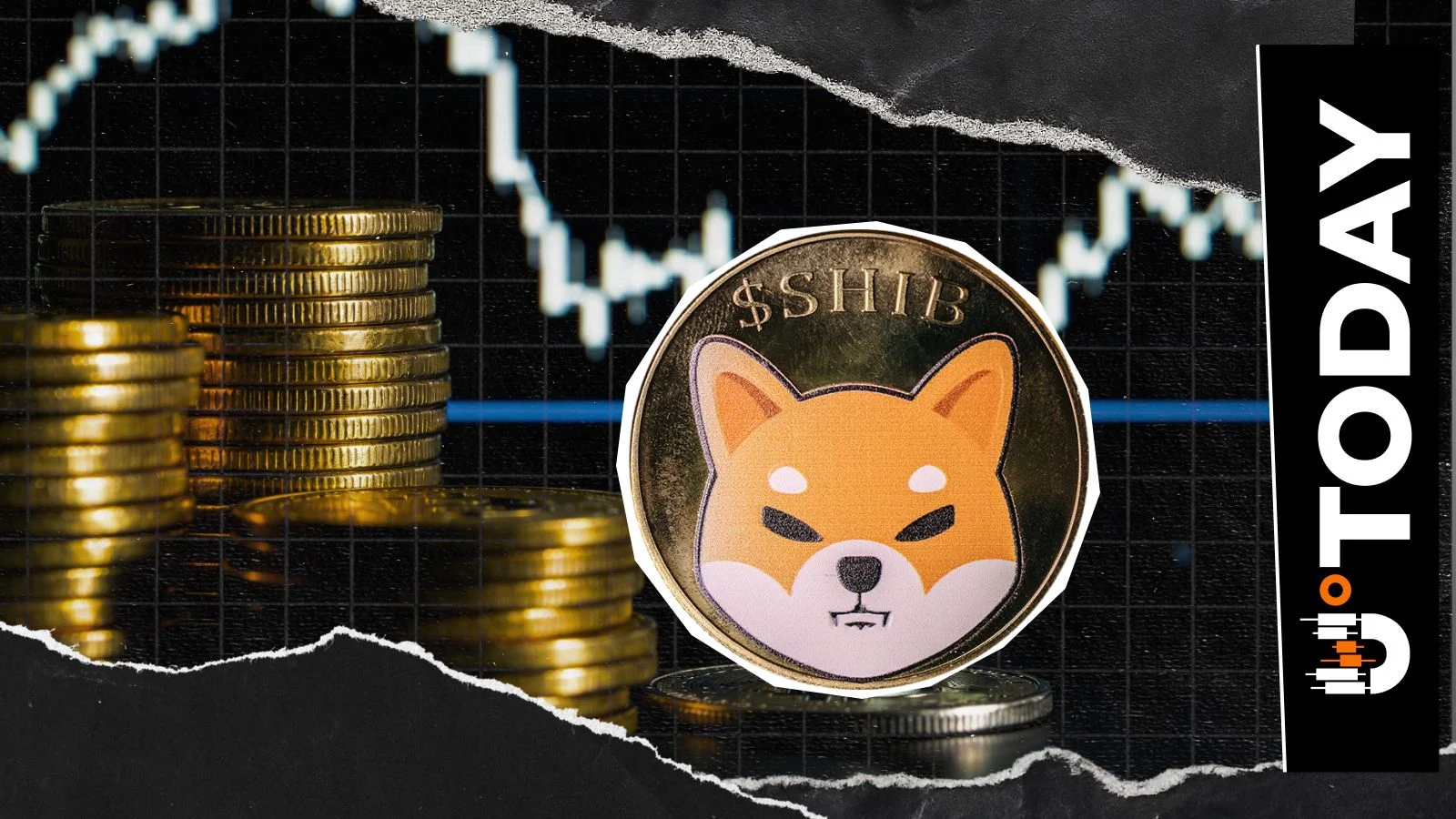
A significant 1,549% surge in SHIB futures netflows suggests increased margin inflows, potentially signaling a shift in trader sentiment and positioning. Despite a recent price dip and broader market sell-off, the positive netflow in SHIB futures, coupled with on-chain indicators flipping positive, could set the stage for a short squeeze if buying pressure returns. The current neutral RSI at 50 indicates potential for sideways trading, but a break above the $0.00000627 resistance level, aligning with the 50-day moving average, is crucial for sustained upward momentum.
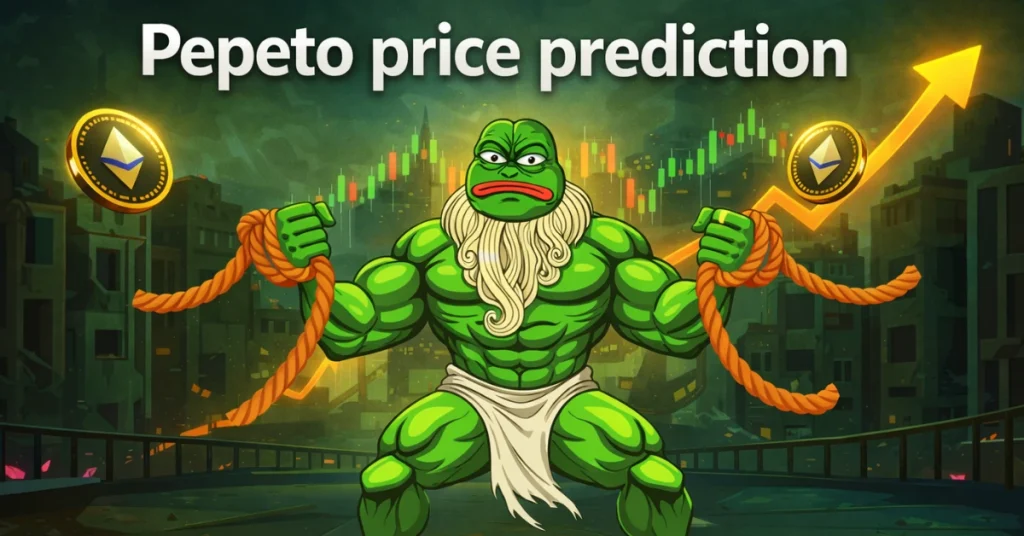
The project's credibility is significantly boosted by the co-founder's prior success with Pepe, which reached an $11 billion market cap, suggesting a strong potential for future value creation. The involvement of a former Binance executive in advising the exchange launch provides a strong signal of operational competence and potential for a successful listing, a key catalyst for price discovery. Despite being a meme coin, Pepeto's focus on utility and a proven team differentiates it from many speculative projects, potentially attracting capital seeking more grounded investments. The upcoming exchange listing is positioned as a primary driver for price appreciation, with significant gains anticipated between the presale entry point and the post-listing valuation.

The US CLARITY Act faces a significantly reduced chance of passing in 2026 if not approved by committee before the end of April, indicating a critical window for regulatory progress. Potential hurdles beyond stablecoin rewards, including DeFi, developer protections, and regulatory authority, suggest that even if the current debate is resolved, further obstacles could delay or derail the bill's passage. The diminishing timeline and potential for further legislative roadblocks imply a prolonged period of regulatory uncertainty for the crypto market, which could impact investment and development.

Tether's reported $10 billion profit in 2025, backed by $122 billion in U.S. Treasuries, signals strong financial health and operational capacity. The launch of the USAT stablecoin and increased U.S. market focus, alongside enhanced lobbying efforts, indicates Tether's strategic pivot towards regulatory compliance and U.S. investor engagement. Tether's diversification into AI, energy, and media, coupled with its significant treasury holdings, positions it as a hybrid tech and investment firm, potentially influencing broader market dynamics beyond stablecoins.

Chainlink's social engagement surge of 499% coincides with successful institutional pilots, signaling growing enterprise adoption of its oracle and CCIP infrastructure. The price breakout above $9.17 for LINK, supported by increased volume and positive market sentiment, suggests a potential continuation of the upward trend if key support levels are maintained. Increased reserve growth funded by off-chain revenue and on-chain usage indicates direct network monetization, strengthening the fundamental demand for LINK. The integration of Chainlink's CCIP in cross-border settlement pilots by major institutions like Visa and ANZ highlights its critical role in tokenizing real-world assets and facilitating digital currency transfers.

The recent 38% weekly gain in PI crypto is primarily driven by its upcoming listing on Kraken, a significant exchange, which could unlock greater liquidity and market access. Despite the bullish momentum, the article notes that PI crypto is deeply overbought, suggesting a potential for short-term profit-taking and a 'buy-the-rumor, sell-the-news' scenario post-listing. The Kraken listing represents a critical milestone for Pi Network, potentially paving the way for listings on other major exchanges and increasing mainstream adoption.
Revised Basel III rules in 2026 could significantly reduce the capital burden for banks holding Bitcoin, potentially unlocking substantial liquidity. The current 1,250% risk weight for Bitcoin under Basel III makes institutional adoption prohibitively expensive, acting as a de facto barrier to entry. A favorable change in Bitcoin's risk weighting by regulators could signal increased acceptance of digital assets within traditional finance, driving institutional capital inflows. The proposed US implementation of Basel III rules with a public comment period presents a near-term catalyst for potential regulatory shifts impacting Bitcoin's institutional accessibility.
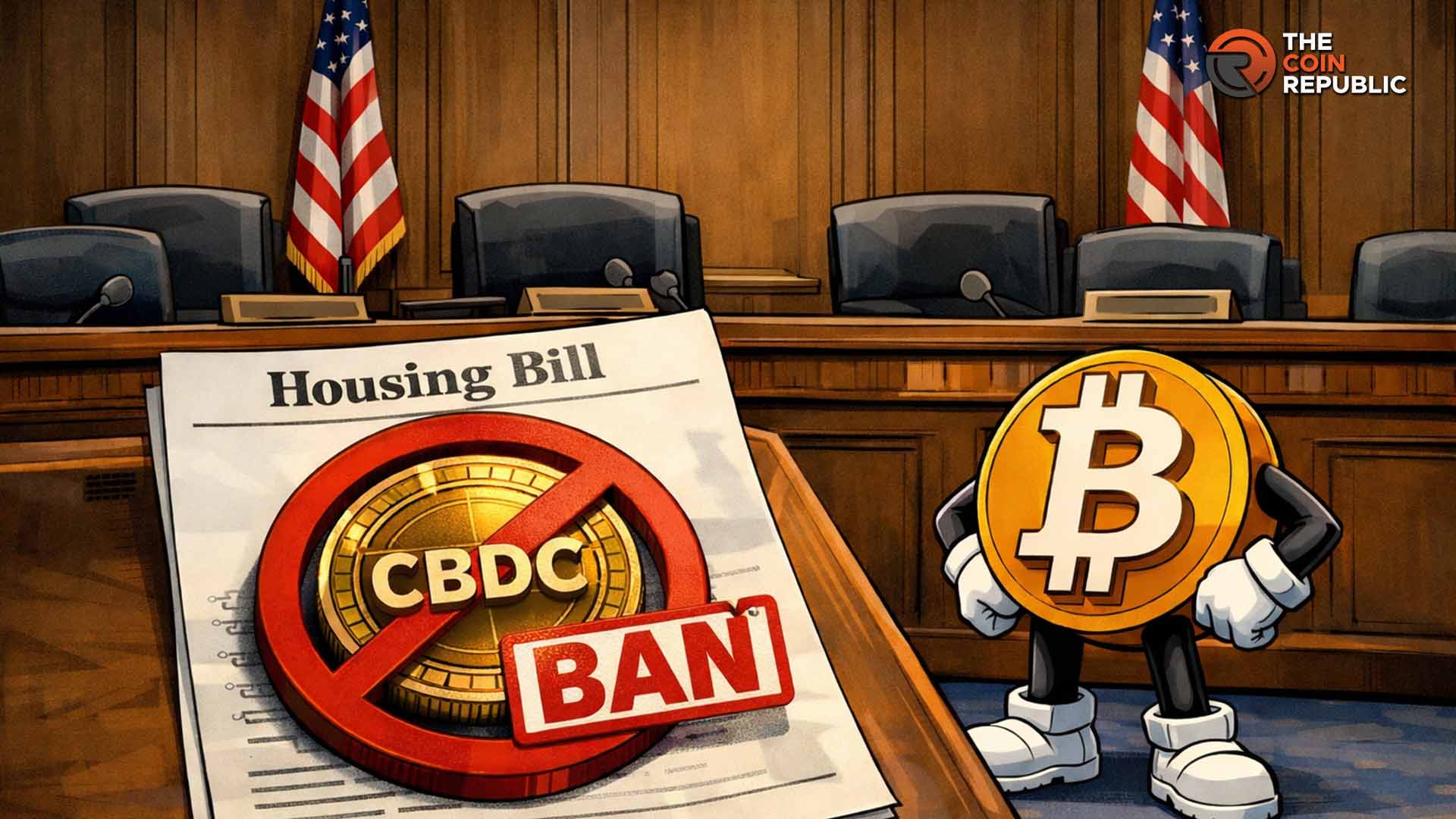
The US Senate's passage of a housing bill that includes a CBDC ban until 2031 signals a significant regulatory stance against central bank digital currencies, potentially favoring private stablecoin innovation. While the bill faces political hurdles in the House and potential presidential veto, its overwhelming Senate support indicates a growing bipartisan concern over government overreach in digital finance and a preference for decentralized solutions. The immediate 4% price surge in Bitcoin following the news suggests that market participants view a US CBDC ban as a bullish development, potentially reducing perceived competition and increasing demand for existing cryptocurrencies.

Bitcoin's recent underperformance relative to gold, with a 5-year return of ~73% versus gold's ~164%, challenges its 'digital gold' narrative and suggests it may be behaving more like a risk asset than a safe haven in many macro scenarios. While Bitcoin showed some safe-haven characteristics during the Iran conflict by moving independently of equities, its broader correlation with tech stocks during tariff shocks indicates a nuanced and context-dependent role as a safe asset. A fractal analysis comparing Bitcoin's current price structure to gold in 1974 suggests a potential parabolic move to $226K if key support at $62K holds, but a breakdown below this level could signal further downside before any significant recovery. The market sentiment, reflected in Polymarket probabilities, favors gold over Bitcoin as the best-performing asset in 2026, underscoring current caution and the need for Bitcoin to prove its resilience against persistent macro headwinds like inflation and geopolitical instability.
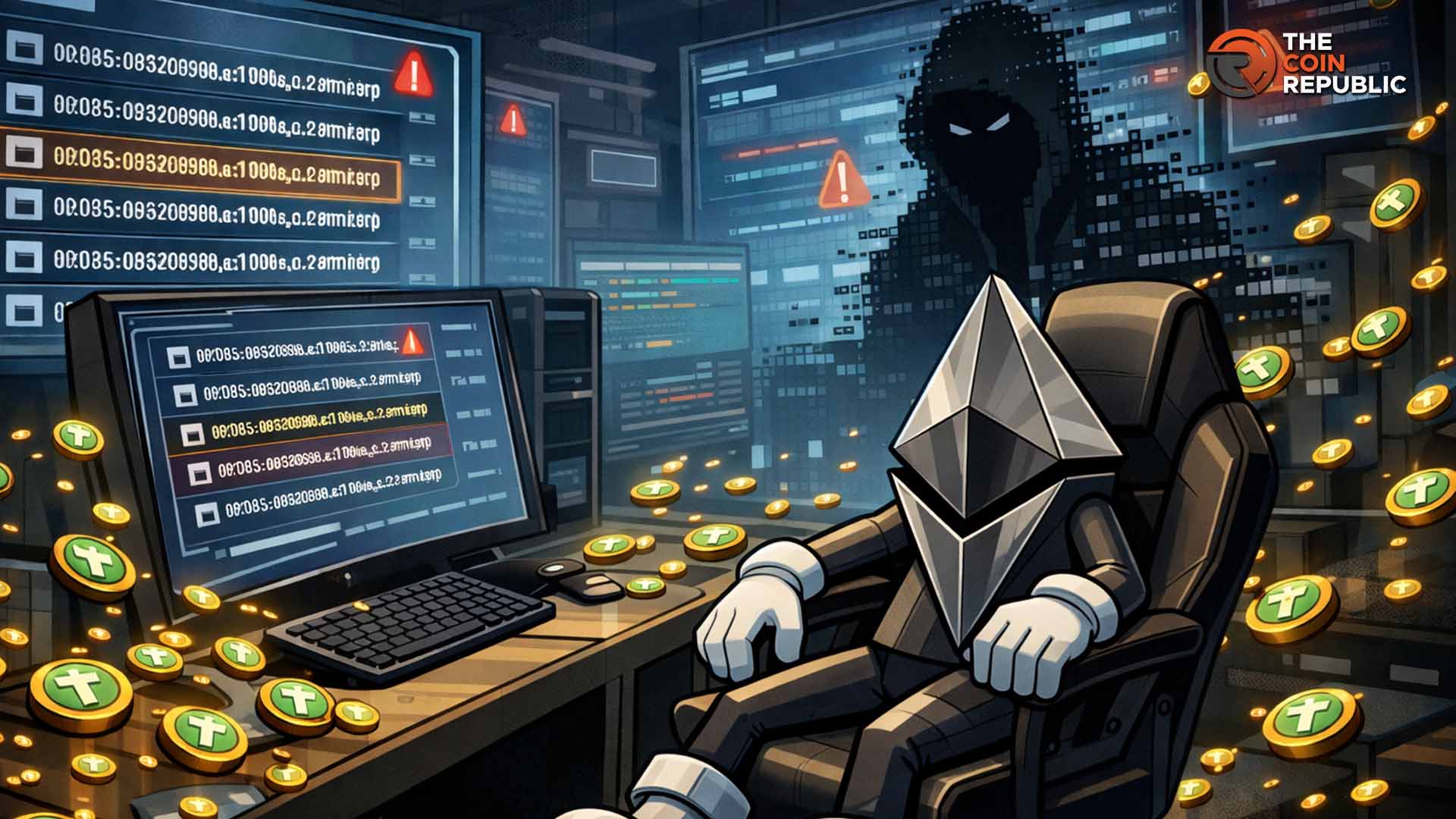
Address poisoning attacks on Ethereum have resulted in significant financial losses, totaling $79.3 million between July 2022 and June 2024, highlighting a persistent security risk for users. The recent Fusaka upgrade on Ethereum, which reduced transaction fees, has inadvertently facilitated a 612% surge in USDT dust transfers, enabling attackers to execute large-scale poisoning campaigns more cost-effectively. The increasing sophistication and automation of address poisoning scams, including simultaneous attempts by multiple actors, pose an evolving threat that users must remain vigilant against.

February's CPI report presented a misleadingly calm inflation picture, as it failed to account for the recent surge in oil prices and underlying labor market weakness. The Fed faces a policy dilemma, caught between stale inflation data and a deteriorating economic backdrop, making rate cut expectations increasingly uncertain. Market participants should view recent optimism based on the February CPI as potentially fragile, given the confluence of rising energy costs and weakening employment. The divergence between the February CPI print and concurrent negative macro signals suggests a higher probability of policy missteps or market volatility.

The Ethereum Foundation's sale of 5,000 ETH to BitMine Immersion Technologies, a publicly traded company, signals ongoing treasury management and provides operational funding for the Foundation's core activities. Despite significant paper losses on their ETH holdings, BitMine and its chairman Tom Lee remain bullish on Ethereum's long-term prospects, continuing to accumulate the asset. This direct sale from the Ethereum Foundation to a corporate treasury highlights a growing trend of institutional-like accumulation of ETH by publicly traded entities, potentially indicating increased confidence in the asset's future value.

Cardano Midnight (NIGHT) demonstrates strong adoption with over 57,000 holders, a 300% increase since launch, indicating growing community engagement and potential for sustained price appreciation. Despite a significant increase in holders and a recent Binance listing, a notable 50% decline in trading volume suggests cautious investor sentiment or profit-taking, warranting a watch-and-see approach. The recent Binance listing and Charles Hoskinson's endorsement of Midnight as a privacy solution for Cardano provide significant credibility, potentially driving further adoption and market accessibility. While NIGHT has shown impressive intraday price performance and market cap growth, the declining trading volume presents a key test for its ability to maintain current price levels or push higher.
Signal context only. Validate with price action, liquidity, and risk limits before taking a position.
