


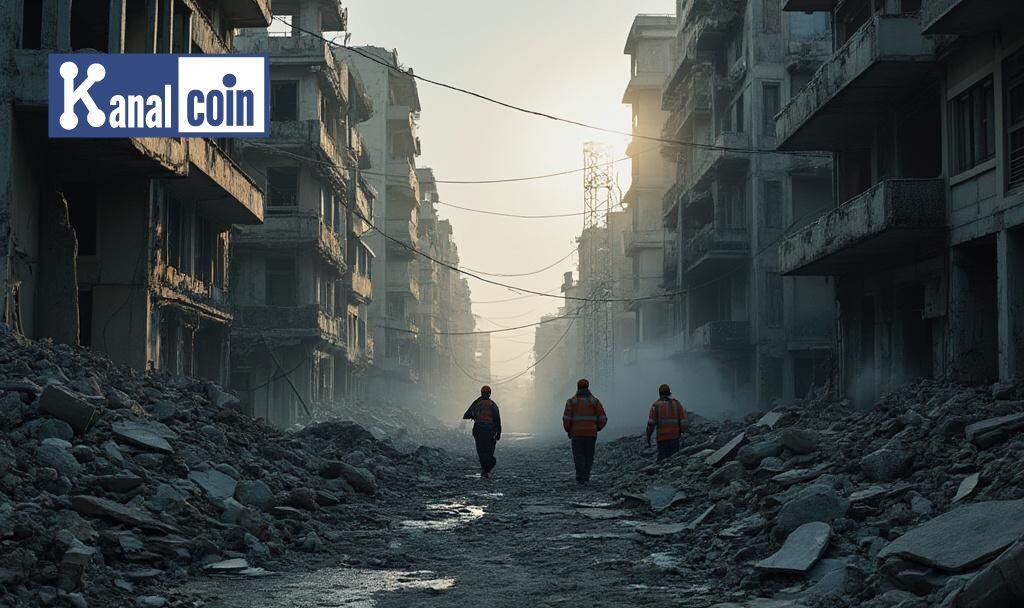
In October 2025, promised international aid to Gaza falls significantly short of pledged amounts, with the United Nations reporting only a fraction of these commitments reaching the region. This shortfall exacerbates worsening humanitarian crises and impacts recovery efforts, highlighting persistent logistical and financial challenges.
Humanitarian Crisis Worsens Amidst Aid Delays
The United Nations has highlighted that aid deliveries to Gaza in October 2025 are significantly short of pledged amounts. This continues to strain the region despite a recent ceasefire, according to various international organizations. Key organizations involved in advocating for increased aid include the UNDP, OCHA, and ICRC. Their actions include advocating for improved border access to ease delivery challenges, while the extent of damage in Gaza is reportedly extensive.
Gaza's $70 Billion Rebuilding Cost Hampered by Aid Delays
The estimated cost to rebuild Gaza stands at $70 billion, but operations are significantly obstructed. Aid agencies find their efforts hampered by logistical and security issues, leading to operational delays at border points. Potential outcomes include sustained international support and financial aid pledges from countries like the USA and European nations. Historical trends suggest delivery issues continue, yet no direct impact on cryptocurrency assets has been reported according to official sources.
Historical Aid Pledges Struggle with Delivery
Past crises in Gaza have also experienced significant delays in aid delivery, with many pledges not materializing. The current situation echoes these historical difficulties, reflecting recurring logistical challenges. Expert analysis suggests humanitarian challenges persist in turning pledges into actionable aid. Specialists indicate no current blockchain or crypto engagements influencing aid delivery, underscoring the reliance on traditional finance mechanisms.
Destruction across the enclave is now in the region of 84%, in certain parts of Gaza, like Gaza City, it’s even up to 92%. — Jaco Cilliers, Special Representative, UNDP