


In a volatile week for cryptocurrency markets, Bitcoin experienced a significant decline, dropping to its lowest levels in six months amid broader economic uncertainties and sector-specific concerns. The combination of tech sector weakness, regulatory scrutiny, and macroeconomic factors has kept investor sentiment cautious. As traders navigate these turbulent waters, questions about market stability and future recovery remain at the forefront.
Market Performance and Key Indicators
Bitcoin (BTC) has seen its worst performance in months, falling by around 11% since the start of the week. The cryptocurrency reached a six-month low of $94,590 on Friday, as broader economic concerns and sector-specific worries continue to weigh on investor confidence. Despite a relatively modest liquidation of leveraged longs—totaling less than 2% of open interest—the sharp decline signals underlying fragility in the crypto markets.
The recent dip erased about $900 million in leveraged long positions, yet the broader market remained relatively resilient, unlike the cascade of liquidations seen during earlier downturns. Currently, traders are monitoring whether Bitcoin has found a bottom or if further declines are imminent.
Macroeconomic Pressures and Investor Sentiment
Economic concerns persist, especially after US President Donald Trump announced plans to cut tariffs to combat rising food costs. Leading economist Mohamed El-Erian highlighted increasing recession risks, noting that the “lower ends of household income” are struggling with rising costs, which could influence consumer behavior and broader economic stability.
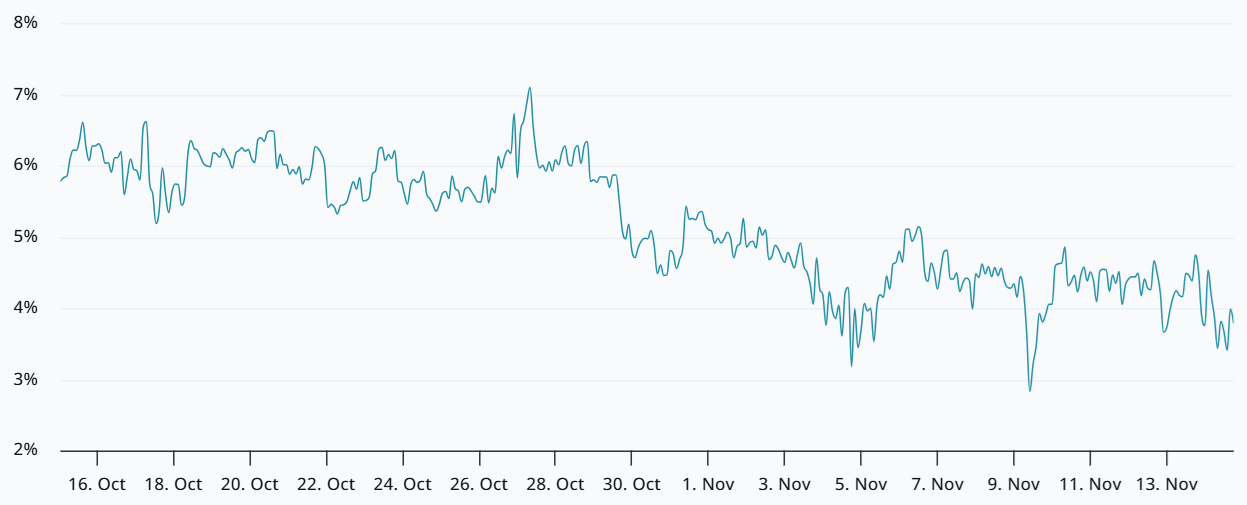
The Bitcoin futures premium remained near 4% on Friday, indicating subdued demand for bullish leverage. Although this is below the preferred 5% neutral threshold, the rate has slightly improved from lows earlier this month. Meanwhile, professional traders display cautious optimism, with some increasing long positions while others cut exposure after support levels failed.
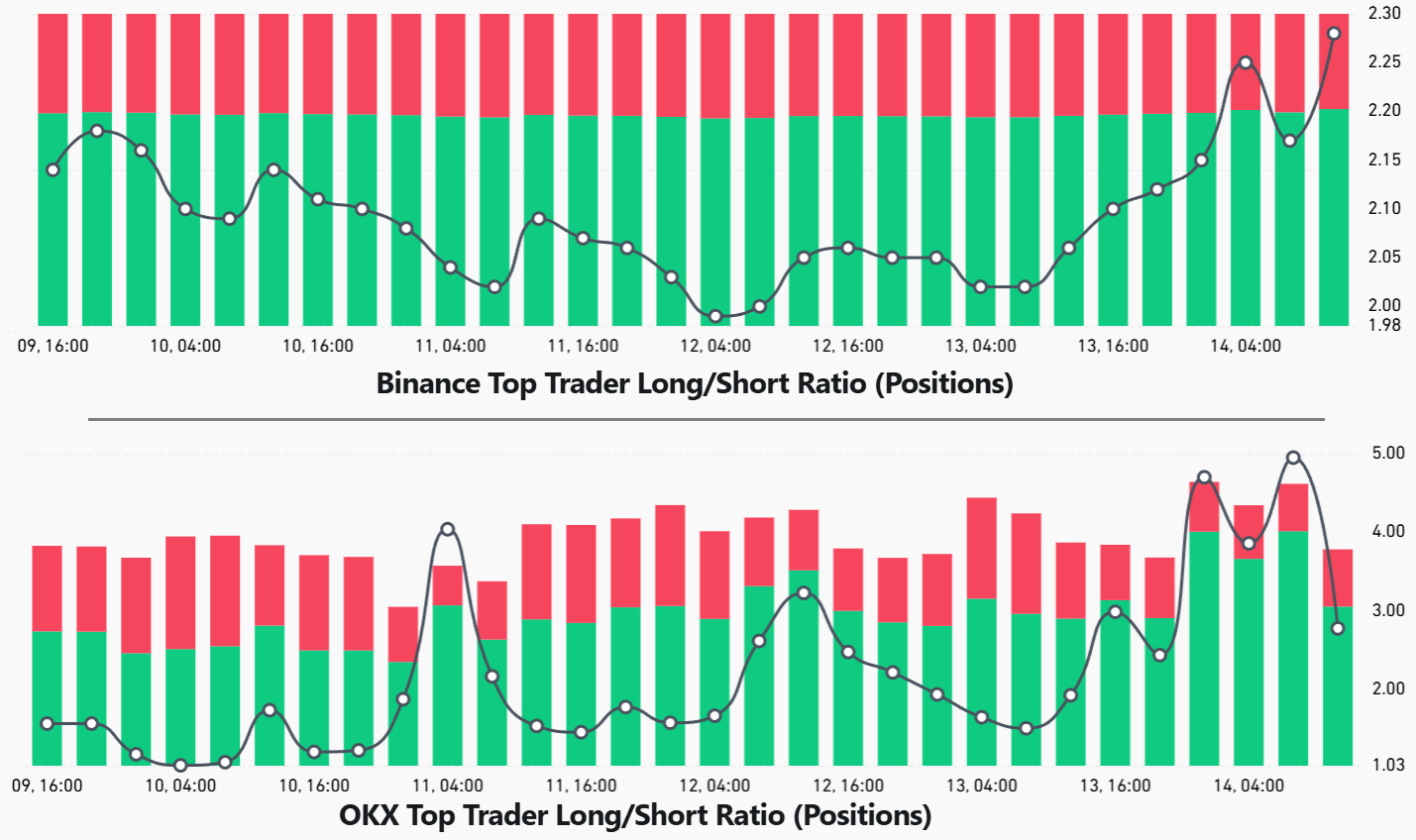
Notably, whales and market makers have been buying the dip, with some increasing long exposure on Binance since Wednesday, even as others scaled back their holdings at a loss. Overall, the sentiment among institutional players suggests a cautious but slightly more optimistic outlook, with traders closely watching macroeconomic developments for signs of a turnaround.
AI Sector Concerns and Broader Market Derisking Contribute to Bitcoin’s Correction
Part of the recent correction stems from sector-specific worries in artificial intelligence, a key growth driver for stocks, which has recently shown signs of strain. Prominent investor Michael Burry questioned whether extended depreciation schedules for computing equipment artificially inflated earnings, casting doubt on upcoming earnings reports. Amazon, notably, shortened its depreciation calendar, aligning with other companies’ cautious approach.
Furthermore, net outflows from Bitcoin spot ETFs in the U.S. — totaling approximately $1.15 billion over two days — have dampened sentiment, even though these figures represent less than 1% of assets under management. A notable sell-off from a 2011 Bitcoin holder added to market nerves. Yet analysts suggest this was an isolated event and not indicative of a broader trend.
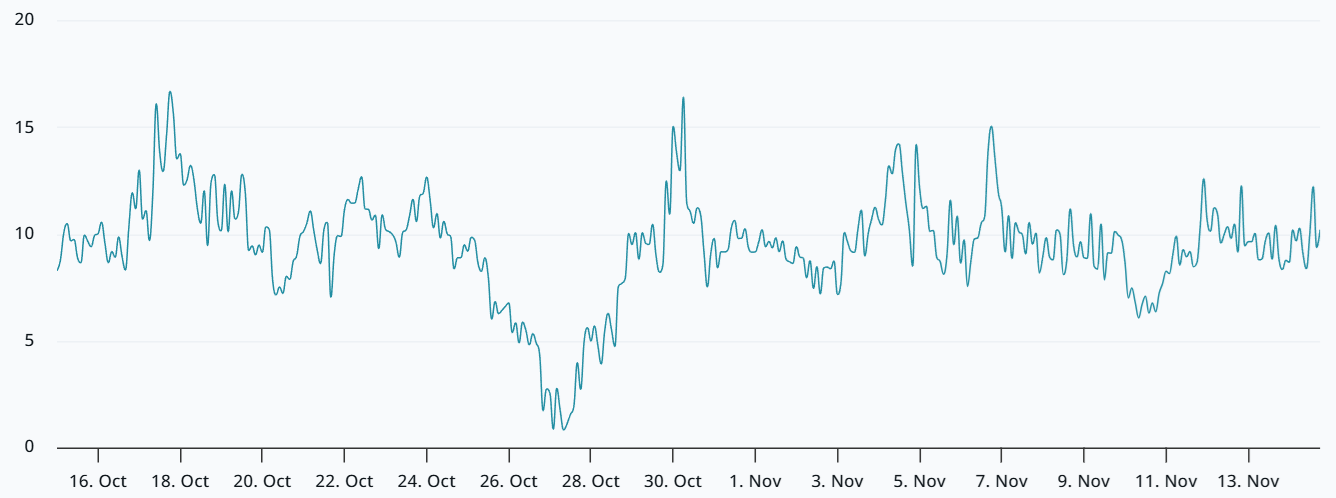
The options market’s fear gauge, represented by the delta skew, stood at 10% on Friday, remaining resilient despite Bitcoin’s 24% drop from its all-time high. This suggests that, although risk aversion persists, options traders are still reasonably confident that further downside is limited. As uncertainty continues to cloud the macroeconomic outlook, traders are likely to remain cautious, favoring cash until more clarity emerges.
With several large firms posting significant losses recently, the trend toward risk aversion is expected to continue, potentially keeping Bitcoin under pressure in the near term. Still, the evolving macroeconomic landscape and technical signals indicate that traders are weighing the risk of further declines against the potential for a rebound.