


Key Takeaways
- •Long-term Bitcoin holders unloaded an estimated $33 billion in BTC last month, averaging over $1 billion per day, which fueled October’s market selloff and raises questions about market maturity and strategy.
- •Jordi Visser described this event as Bitcoin’s IPO moment, while analysts like Bloomberg’s Eric Balchunas question if these large holders have lost faith in BTC.
- •Beyond profit-taking, this selloff in BTC price indicates deeper structural shifts, ranging from generational risk transfer to a changing institutional narrative.
October's Market Shake-Up: The Great Whale Rotation
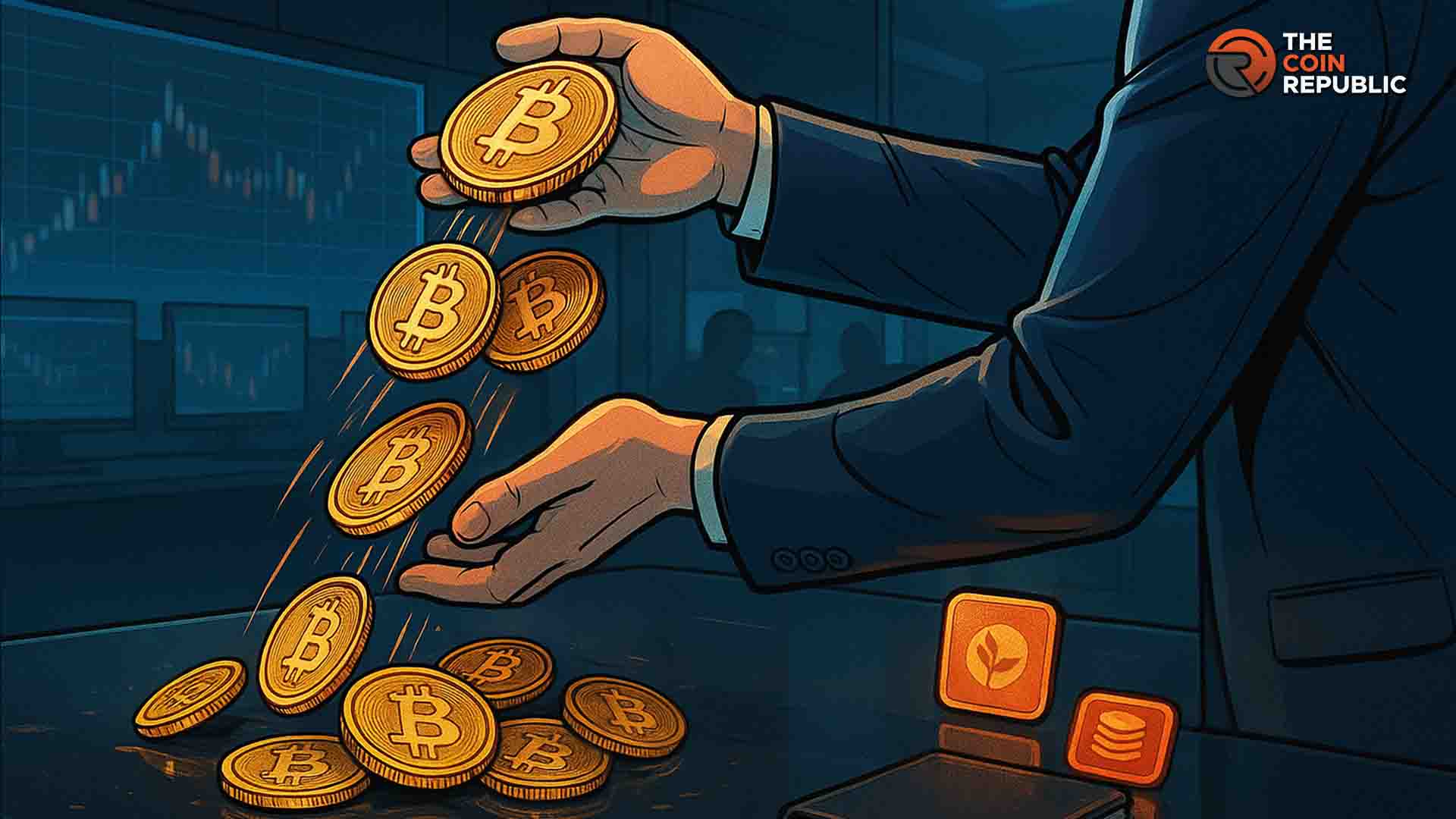
October was a significant month for Bitcoin news, marked by a substantial selloff. Long-term Bitcoin holders disposed of approximately $33 billion in BTC, an average of over $1 billion daily. This massive liquidation contributed to the BTC price ending October in negative territory.
This event prompted widespread debate among traders and strategists regarding its implications for market maturity and Bitcoin's underlying narrative.
The sheer volume of coins moved by long-term holders sent shockwaves through the market. On-chain data confirms that these holders sold off assets accumulated over many years, with the timing and volume being particularly notable.
As the BTC price fell below key support levels, the community began to analyze the meaning behind this large-scale asset rotation, with interpretations ranging from simple profit-taking to deeper concerns about Bitcoin's long-term viability.
Jordi Visser from Weiss Multi-Strategy characterized this period as "Bitcoin’s IPO moment." This analogy suggests a phase where early, significant investors gradually exit their positions, making way for new custodians and broader institutional involvement. Visser elaborated on this perspective:
When a company goes public and early investors begin to sell their positions, the stock often consolidates. Early investors aren’t panic selling. They’re methodically distributing their positions.
This interpretation suggests that if the current selloff is a sign of Bitcoin maturing, the market may be entering a new phase of its development.
Doubt, Belief, or Strategic Maneuvering?
However, not all market observers share this optimistic outlook. Eric Balchunas, an ETF expert at Bloomberg, raised a critical question regarding the motivations behind the selloff:
The q is do those OGs (after taking profits) still think btc is a store of value and debasement hedge? If so, no problem. If not, then they basically saying it was a ponzi the whole time, which is a problem.
This critique highlights the difficulty in distinguishing between strategic profit-taking and a genuine loss of confidence. If the selling is primarily a result of investors cashing in after significant gains, it could be viewed as a healthy market evolution. Conversely, if it stems from a fundamental doubt in Bitcoin's value proposition, the implications for its future price and news cycle could be more severe.
Risk Management Over Lost Belief
Industry leaders, such as Bitwise CEO Hunter Horsley, propose that the selloff is more indicative of strategic risk management and the desire for peace of mind rather than a loss of faith in Bitcoin. Horsley stated:
“Imo- it’s not that they no longer believe in BTC. It’s more timing and peace of mind. They’ve got 100-1000x more wealth. They want to make sure it stays that way.”
Asset managers like Bitwise are guiding clients on strategies to manage their Bitcoin holdings, including the option to exchange spot BTC for ETFs or to borrow against their crypto assets instead of liquidating them. This suggests that many large holders still believe in Bitcoin as a hedge against currency debasement and as a store of value, but are seeking less volatile methods to manage their wealth, especially after experiencing substantial gains.
The Structural Shift: A Next-Generation Challenge
The selloff in October also reflects a broader generational and structural shift within the Bitcoin ecosystem, extending beyond simple profit-taking. This phenomenon is often referred to as "risk transfer," as long-term holders seek greater liquidity and stability, while new participants and institutions evaluate their entry into the market.
Jeff Park, an advisor at Bitwise, cautioned that if younger investors do not sufficiently fill the void left by departing long-term holders, Bitcoin's network reflexivity could be impacted. The challenge, as Park articulated:
The old will always buy if they know the young will buy now or later, but the young will not buy if ONLY the old buy. What has happened with the “capture” of Bitcoin through financialization has seriously shifted this pendulum in the other direction.
Furthermore, there is a perception that the market is grappling with Bitcoin's unfulfilled potential as a payment solution. The widespread adoption of the Lightning Network has not materialized as anticipated, and the increasing institutionalization of Bitcoin might be perceived as diverging from its original ethos. With growing concerns about privacy and a new generation of investors seeking deeper meaning, October's exodus may be testing Bitcoin's cultural resilience as much as its market dynamics.
Future Outlook for BTC Price
The key takeaway from October's events is that Bitcoin has demonstrated its capacity to withstand significant market turnover and maintain its position.
While speculation is rife in Bitcoin news circles, many analysts maintain that the selling activity from long-term holders signifies market evolution rather than imminent collapse. The underlying mechanics of the selloff suggest a market that is adapting and finding its footing within an increasingly mature landscape.