



Market Overview
As of October 2025, Bitcoin and the S&P 500 are exhibiting characteristics of a late bull market stage, with a 52-week return rate of +13%. This situation underscores investor confidence, which is further bolstered by rising corporate earnings. However, it is important to note that macroeconomic shifts could swiftly alter the current positive market sentiment.
Bitcoin's Performance and Institutional Demand
CryptoQuant analyst Axel Adler Jr. has highlighted a moderate correlation between Bitcoin and equities. The current bull market state is characterized by a 13% return on the S&P 500 over the last year. Corporate earnings season has become a focal point, with all companies exceeding expectations, contributing to increased focus on earnings during Q4 2025 and further boosting market sentiment.
Significant inflows from Bitcoin ETFs, coupled with a notable rise in institutional interest, have propelled BTC to reach new record levels. This bullish sentiment is also impacting other major cryptocurrencies, with Ethereum and BNB also reaching all-time highs.
Arthur Hayes, Co-founder of BitMEX, stated, "Structural flows—especially ETF and treasury allocations—are the real bull market fuel. Macro correlation is a symptom, not a cause."
Correlation Trends and Expert Insights
The correlation between Bitcoin and the S&P 500 is not a new phenomenon. In 2020, both assets experienced a dip together during the COVID crash but also demonstrated swift decorrelation during recovery phases.
According to market data, Bitcoin's price stands at $109,739.64, with a market capitalization of $2.19 trillion. Over the past 24 hours, Bitcoin has seen a price increase of 1.27%, while the trading volume has decreased by 27.30%. The cryptocurrency’s market dominance is currently at 59.15%.
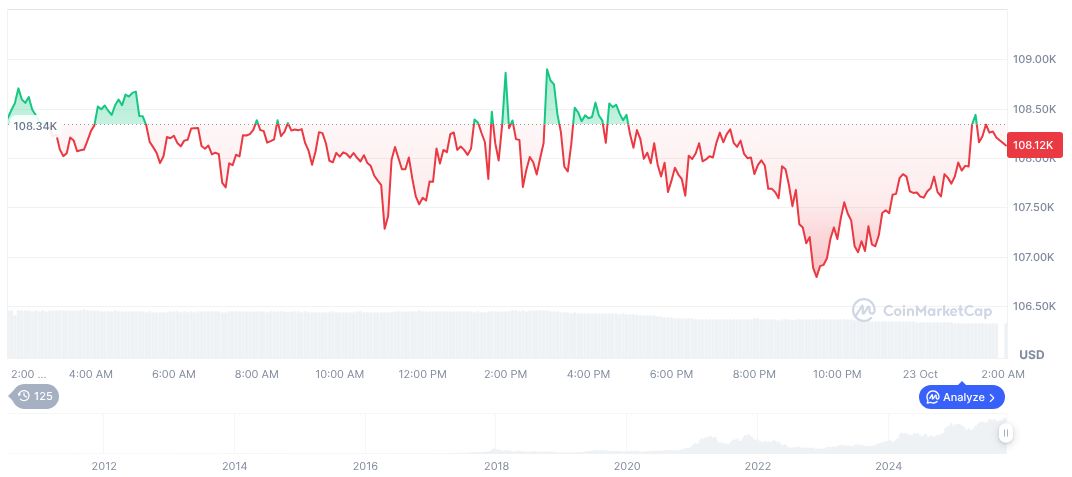
Insights from Coincu Research suggest that the continued growth of Bitcoin ETFs could lead to further institutional investments. Analysts attribute the current rally to ETF inflows and strong corporate earnings, while also observing that any shifts in macroeconomic conditions might impact this momentum.