


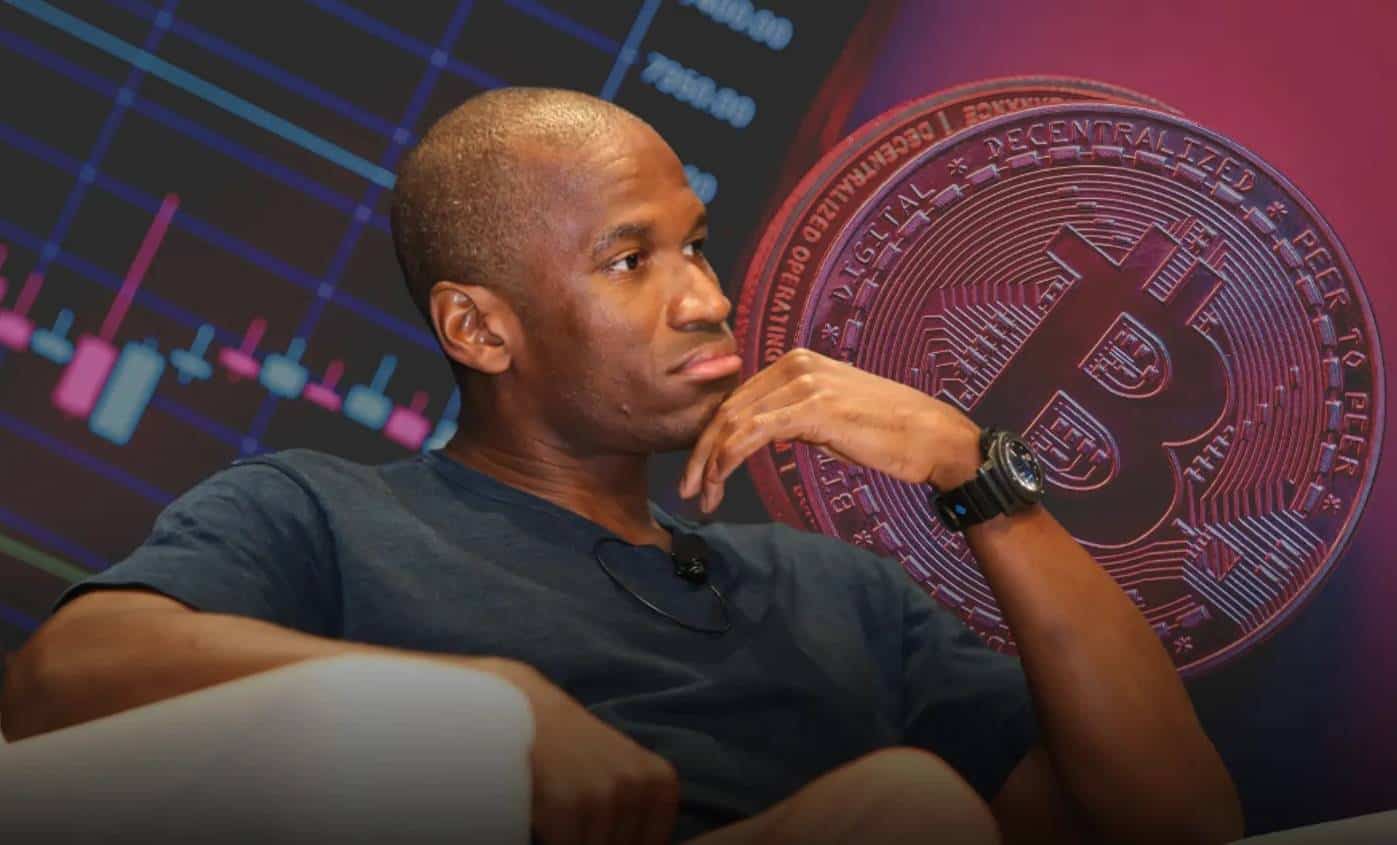
Arthur Hayes, a prominent figure in the cryptocurrency market, has forecast that the price of Bitcoin will surge to $1 million by the year 2028.
Hayes, who is also the co-founder of BitMEX, shared this bold prediction during his address at the SALT Conference held in London.
“Bitcoin will be over $1 million and Ethereum will be $20,000,” Hayes stated, further indicating his expectation of a significant peak in the cryptocurrency market occurring before the upcoming US presidential election in 2028.
Current Market Context
Hayes' remarks followed shortly after Bitcoin's price experienced a dip below $100,000 for the first time since May. At the time of his speech, Bitcoin was trading around $103,000, representing a 19% decrease from its all-time high of $126,000 reached in October. Ethereum was trading at $3,340, which was 32% below its all-time high set in August.
Hayes' Economic Analysis
According to Hayes' analysis, the projected rise in Bitcoin's value is directly linked to governments opting to increase borrowing rather than implementing spending cuts. He explained that a policy of austerity, which involves raising taxes, is generally unpopular with voters. Consequently, governments are inclined to continue borrowing to enhance their chances of reelection.
An increase in national debt inevitably leads to an expansion of the fiat money supply. Hayes described this phenomenon as central banks "pushing the money button." He contends that this action will inevitably result in heightened inflation, irrespective of official inflation statistics. In this environment, Hayes believes Bitcoin will serve as a crucial hedge against this rising inflation.
“People instinctively understand what’s going on,” Hayes commented. “it’s just that everyone is trying to solve the same problem in different ways.”
Government Debt and Political Realities
Data from the U.S. Treasury Department indicates that the nation's national debt currently stands at $38 trillion, marking the highest level since the pandemic. Hayes expressed his view that the probability of politicians choosing to abandon this debt is exceptionally low.
“This problem can be solved, but only if you don't want to be elected,” Hayes asserted. He added that if governments were to cease borrowing and instead opt to raise taxes, the global economy could face a period of deflation on a scale not witnessed since the 1930s.