


Bealls now accepts Bitcoin across its 660 stores in 22 states, allowing shoppers to pay with Bitcoin, Ethereum, Dogecoin, and numerous other coins via Flexa’s payment rails. This move is framed not as a marketing stunt, but as a considered step towards the future of consumer spending.
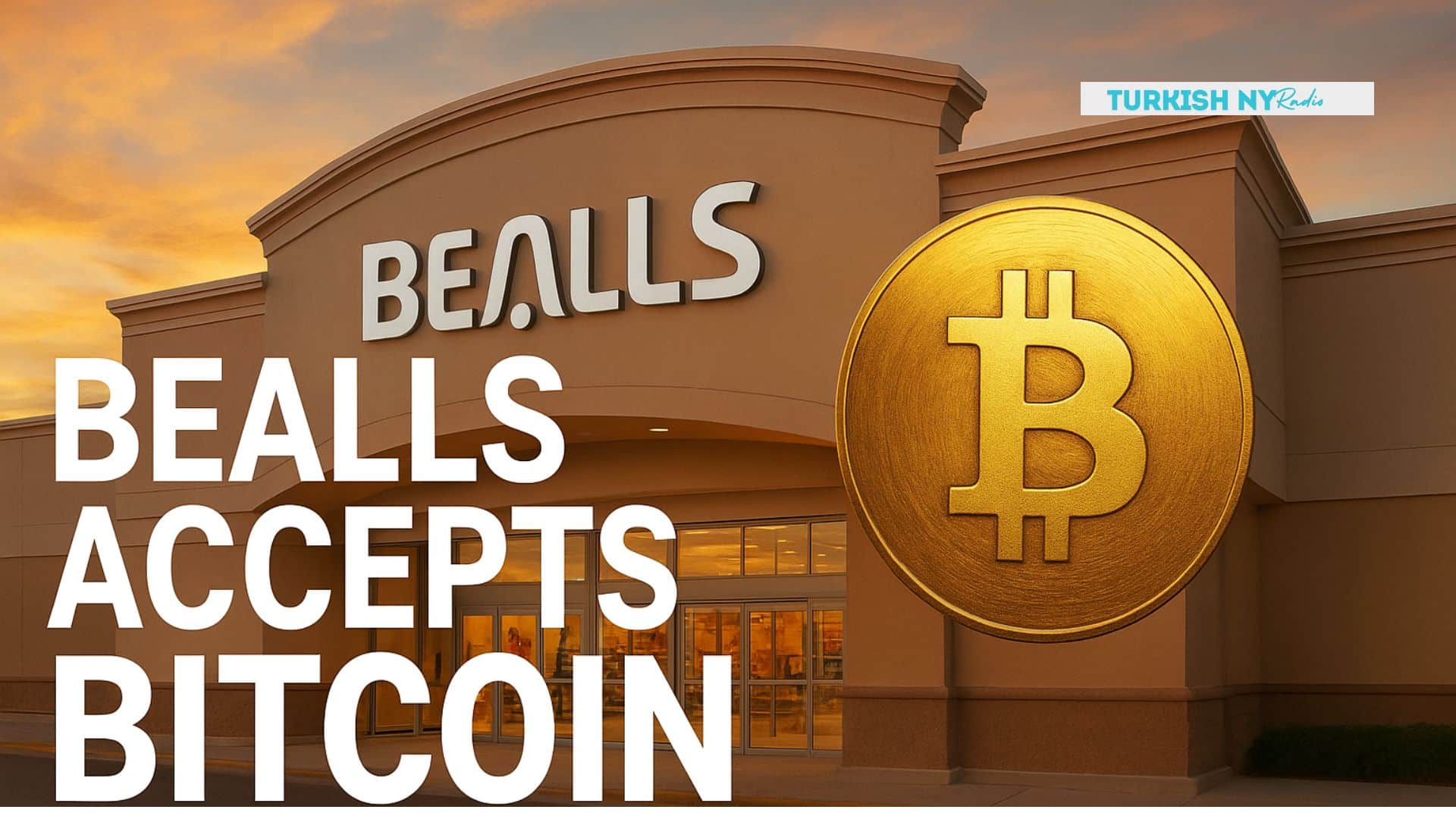
Customers can now pay with Bitcoin and many other digital assets at the register without needing new hardware or complex checkout procedures. Flexa’s system integrates seamlessly with existing point-of-sale terminals. It converts cryptocurrency into U.S. dollars at the moment of sale, ensuring that store staff see a standard transaction and customers can use their preferred digital wallet as expected. Analysts view this as a practical model for achieving mainstream adoption of digital currencies.
“We want to make payments effortless,” a Bealls spokesperson stated in the rollout announcement. “This is about choice for the customer and readiness for the future.”
Bealls' decision to accept Bitcoin is presented as an operational choice, an additional payment option alongside debit and credit cards, quietly expanding consumer choice.
Why This Matters and What It Really Changes
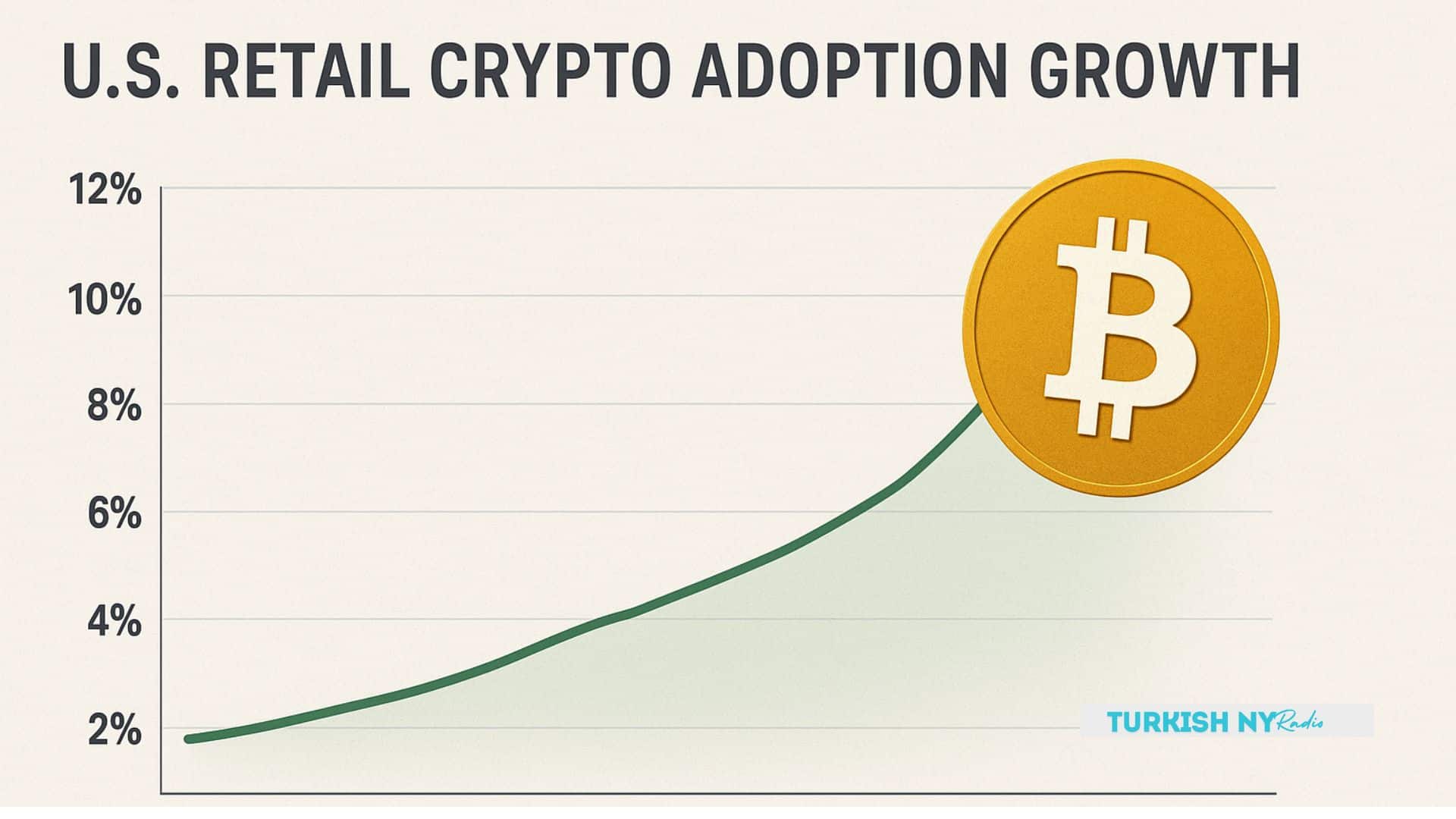
While the news of Bealls accepting Bitcoin might initially appear to be another public relations event for the cryptocurrency sector, the true significance lies in its scale. With 660 stores, this initiative brings cryptocurrency payments beyond niche retailers and trendy boutiques into suburban shopping centers and small-town storefronts, reaching millions of Americans who shop there weekly.
If customers utilize this option, even occasionally, it signifies that digital assets can function as everyday currency, not solely as speculative investments.
The market context also plays a role, with Bitcoin trading robustly around $113,000 at the time of this report, aligning the rollout with a period of increased public interest and market confidence.
“Preparing for the future of commerce . . . Bealls Inc. is thrilled to be partnering with Flexa on a first in retail.
Practicalities and Concerns
Flexa offers a straightforward solution: instant authorization and fiat settlement, which means merchants do not bear any price risk. However, the ultimate success will depend on the customer experience. The question remains whether consumers will opt for cryptocurrency at checkout when traditional payment methods like cards or mobile pay are faster and more familiar. Currently, Bealls accepts Bitcoin as an option, and the availability of options often sparks experimentation before they become habitual.
Issues such as security, refunds, and returns will also need to be addressed through real-world transactions and dispute resolutions. Retailers and payment partners assert they have the necessary tools in place; the adoption will ultimately depend on customer willingness to use them.
Conclusion
By accepting Bitcoin, Bealls is doing more than just adding a new payment method; it is normalizing the concept of digital assets coexisting with traditional forms of payment in everyday commerce. For a brand with a long history, this represents a significant commitment to the idea that the convenience of cryptocurrency payments will find a place in ordinary consumer life.
If this initiative proves successful, other retailers are likely to observe closely and follow suit. Conversely, if it does not gain traction, the rollout will still provide valuable data for the gradual process of digital currency adoption.
Summary
Bealls now accepts Bitcoin at 660 U.S. stores through a partnership with Flexa, enabling customers to pay with Bitcoin, Ethereum, Dogecoin, and other cryptocurrencies without requiring changes to existing checkout hardware. This initiative integrates cryptocurrency payments into everyday retail environments and aligns with a broader trend of merchants exploring digital currencies at a large scale. With Bitcoin trading near $113,000, this rollout could accelerate mainstream adoption if shoppers choose to use the option; otherwise, it will serve as a practical experiment in modernizing payment systems.
Glossary of Key Terms
Flexa: A payments platform that allows merchants to accept cryptocurrency and receive settlements in fiat currency.
Stablecoin: A type of cryptocurrency designed to minimize volatility by being pegged to a stable asset, such as a fiat currency.
Point-of-Sale (POS): The system or terminal used in a retail environment for processing customer transactions.
Settlement: The final process of concluding a financial transaction, typically involving the transfer of funds between parties.
Adoption: The process by which consumers and businesses begin to regularly use a new technology or service.
FAQs for Shoppers Cheer as Bealls Accepts Bitcoin
1. What does it mean that Bealls accepts Bitcoin?
This means that shoppers can pay for their purchases using Bitcoin or other cryptocurrencies via Flexa’s system, which instantly converts the digital currency into U.S. dollars.
2. What coins can I use at Bealls?
Customers can use over 99 different digital assets, including Bitcoin (BTC), Ethereum (ETH), Dogecoin (DOGE), Solana (SOL), and Litecoin (LTC).
3. Does Bealls keep the crypto it receives?
No, Bealls does not retain the cryptocurrency. All payments are automatically converted into fiat currency, so the company receives payment in U.S. dollars.
4. Is this available in all stores?
Yes, all 660 Bealls stores located across 22 states now offer the option to pay with cryptocurrency through Flexa.
5. Why now?
With Bitcoin trading near $113,000 and digital wallets becoming increasingly common, Bealls considers this an opportune moment to embrace cryptocurrency as a forward-thinking payment solution.