


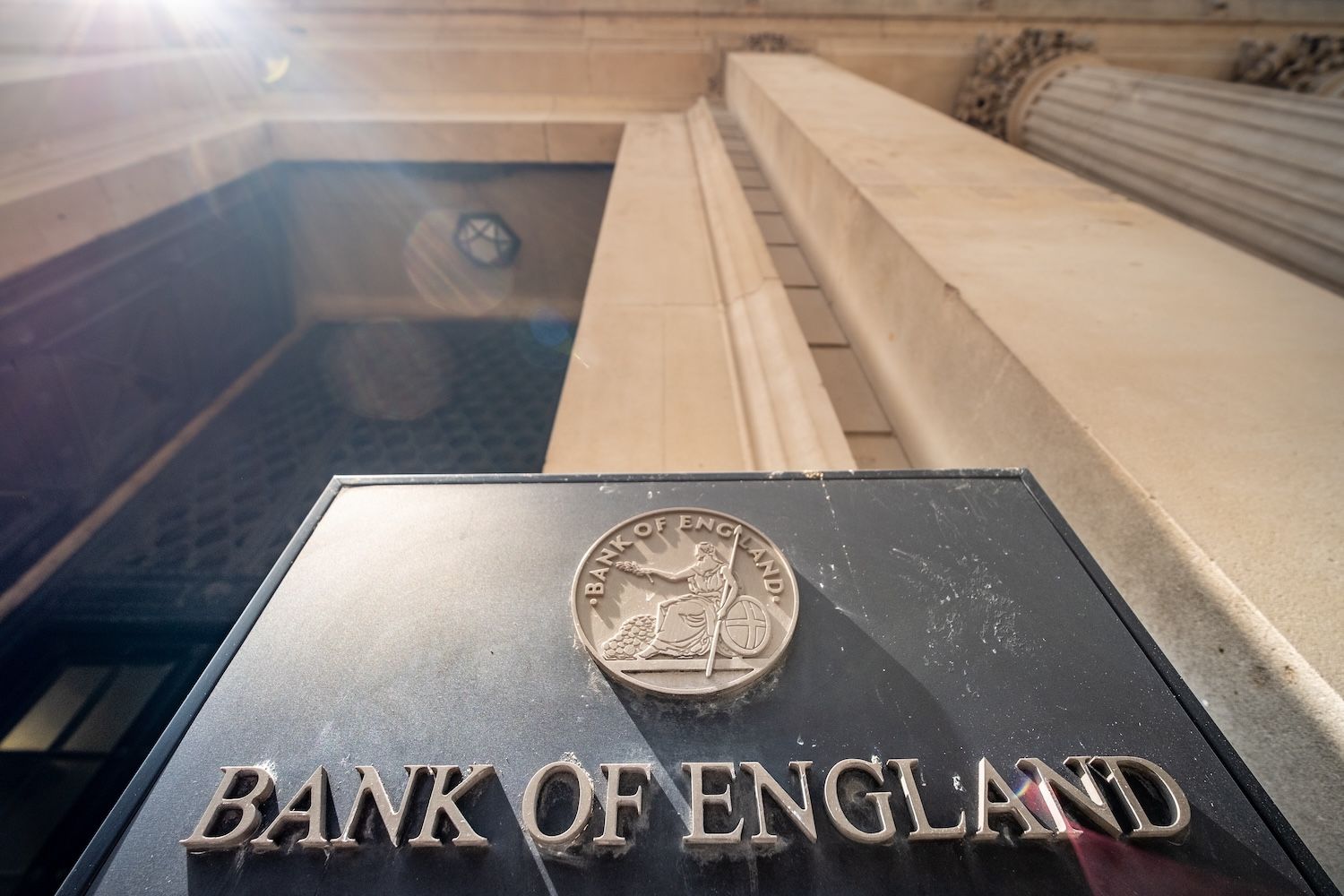
A senior Bank of England official has called for stronger regulatory coordination between the U.S. and Britain on stablecoins. The central bank is set to publish softened proposals next week that will apply only to cryptoassets deemed capable of widespread payment use.
Key Takeaways
- •The Bank of England will release its stablecoin consultation on November 10, easing previous regulatory proposals after industry pushback on holding limits.
- •Deputy Governor Sarah Breeden is working with Federal Reserve officials to synchronize U.S.-UK approaches to digital asset regulation.
- •The new framework will create a two-tier system where "systemic" stablecoins face stricter oversight, while others will fall under lighter Financial Conduct Authority rules.
Cross-Atlantic Coordination Takes Shape
Sarah Breeden, the Bank of England's deputy governor, stated at London's SALT conference that regulatory alignment between Washington and London is crucial for the emerging stablecoin market. She confirmed that the central bank's consultation would be released on November 10, indicating a departure from earlier, more restrictive approaches.
"I've been talking to the Federal Reserve," Breeden said. "The regulators over there and our finance ministries are working together."
This push for coordination follows an announcement in September by U.S. and British officials who established a joint task force focused on digital assets and capital markets.
Stablecoins, which are cryptoassets pegged to traditional currencies or other reserve assets, have garnered increasing regulatory attention as their use in payments continues to grow.
Regulatory Framework Splits Oversight
The Bank of England's planned framework will divide stablecoins into two categories based on their potential market impact. Those classified as "systemic"—meaning they could become widely adopted for payments—will face stringent central bank oversight.
The Financial Conduct Authority will be responsible for regulating smaller stablecoins under less demanding requirements.
This two-tier approach signifies a retreat from the bank's earlier proposals, which had drawn significant criticism from the cryptocurrency industry. The central bank had initially suggested imposing limits on the quantity of cryptoassets that individuals and businesses could hold, a restriction that has not appeared in regulatory frameworks being developed in other major financial centers.
Industry groups had argued that such holding caps would stifle innovation and place British firms at a competitive disadvantage.
The decision to soften the proposals suggests that regulators have acknowledged these concerns, although the full extent of the changes will only become clear once the consultation document is publicly available.
Breeden emphasized that regulators on both sides of the Atlantic recognize the importance of maintaining roughly aligned approaches.
She reiterated that it is "really important" for the two countries to remain synchronized on stablecoin rules.
Looking Ahead
The consultation scheduled for November 10 will offer clarity on how Britain intends to regulate an asset class that exists at the intersection of traditional finance and digital innovation. It remains to be seen whether the softened approach will adequately satisfy industry concerns while simultaneously maintaining appropriate safeguards. However, the emphasis on U.S.-UK coordination suggests that regulators understand that fragmented rules could undermine the competitiveness of both countries in the digital asset space.