


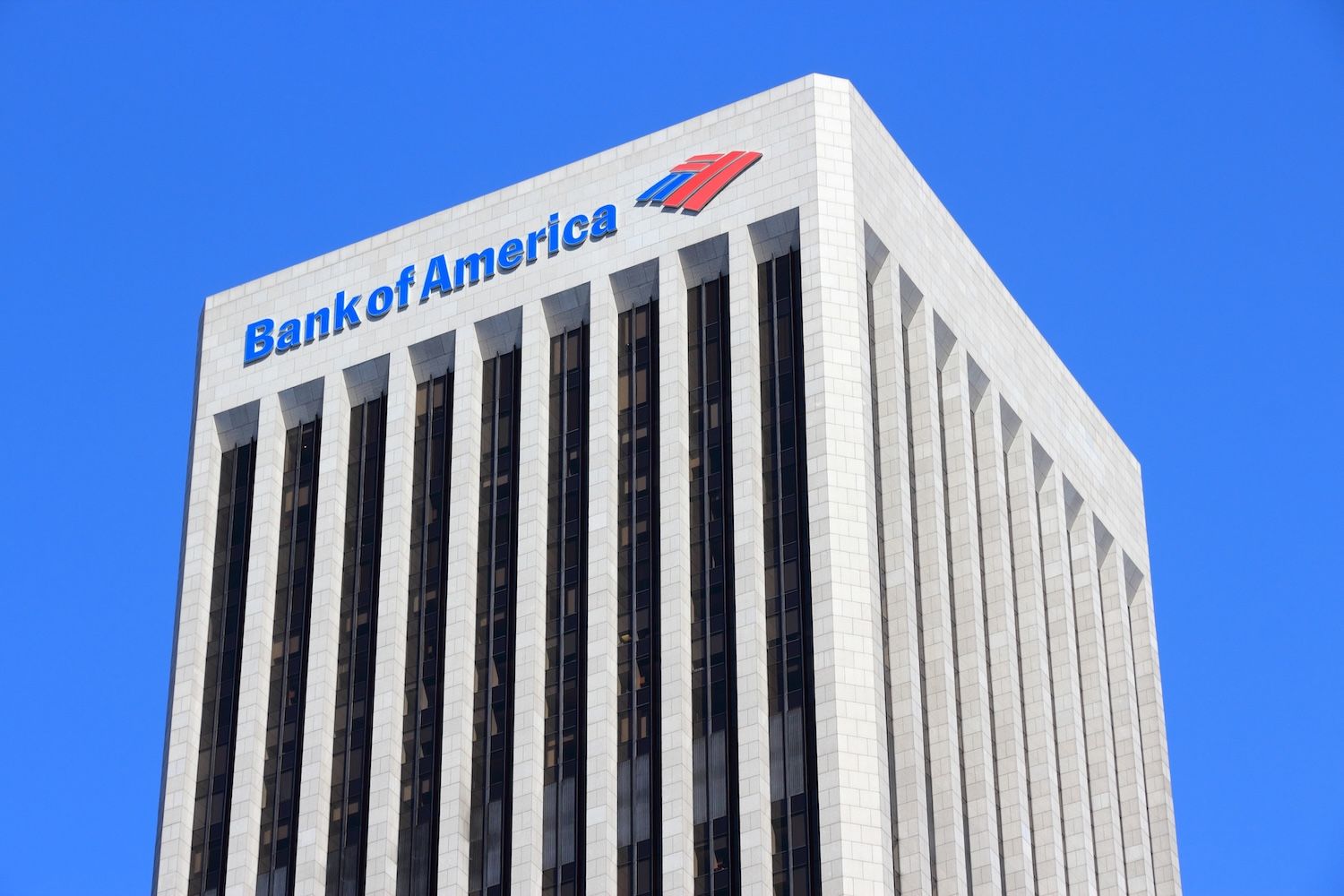
Bank of America CEO Brian Moynihan has indicated that up to $6 trillion in commercial bank deposits could shift to stablecoins if legislation permits interest payments on digital dollar holdings. This projected figure represents approximately 30% to 35% of total U.S. commercial bank deposits. Moynihan attributed this projection to studies conducted by the Treasury Department amidst ongoing Senate negotiations concerning provisions that would restrict stablecoin yields.
This warning emerges as Coinbase CEO Brian Armstrong withdrew his support for pending crypto legislation on Wednesday, citing concerns over restrictions on stablecoin rewards. Armstrong stated that Coinbase could not support the bill due to provisions that he believes would eliminate stablecoin rewards and impose restrictions on tokenized equities and decentralized finance.
Key Developments and Concerns
Moynihan explained that stablecoin structures are similar to money market mutual funds, where reserves are held in short-term instruments like Treasurys instead of being reinvested into bank lending. Such deposits would exist outside of traditional banking systems, thereby reducing the deposit base that banks rely on for providing household and business loans.
On January 9, Senate Banking Committee Chair Tim Scott released a crypto market structure bill that prohibits digital asset service providers from paying interest on idle stablecoin balances. The legislation does, however, permit activity-based rewards that are tied to staking, liquidity provision, or collateral posting, while banning passive yields.
Over 70 amendments were filed in anticipation of the committee's markup, which was scheduled for Wednesday, reflecting intense lobbying efforts from both the banking and crypto sectors. Scott announced late Wednesday that the scheduled markup had been postponed, stating that negotiations were continuing in good faith.
Implications for the Financial Landscape
Banks have expressed concerns that stablecoin yields could threaten their existing deposit bases and lending capacity, potentially forcing them to rely on more expensive wholesale funding. Earlier this week, Galaxy Research issued a warning that the proposed bill could lead to the most significant expansion of financial surveillance authorities since the USA PATRIOT Act. The firm pointed to new powers granted to the Treasury Department over digital asset transactions, including the authority to freeze transactions for up to 30 days without requiring court orders.
Democratic lawmakers have advocated for ethics provisions, following Bloomberg estimates that President Trump generated approximately $620 million from family cryptocurrency ventures. The proposed legislation aims to delineate regulatory jurisdiction between the Securities and Exchange Commission and the Commodity Futures Trading Commission.
For the legislation to proceed, both the Senate Banking and Agriculture committees must advance their respective versions. Following this, the bills would need to be reconciled before a full Senate vote. Industry analysts estimate a 50-60% chance of enactment, but note that without passage in 2026, momentum could diminish due to the upcoming midterm election politics.