


Andrew Tate, the former kickboxing champion and controversial online personality, has recently drawn attention for his involvement in crypto trading and his observations on market dynamics. Tate experienced a complete wipeout of his trading balance on the crypto derivatives exchange Hyperliquid last month, highlighting the volatile nature of digital asset trading.
The controversial figure, who gained notoriety alongside charges of rape and human trafficking in Europe, has frequently promoted cryptocurrencies to his substantial social media following. He has been associated with the launch and promotion of several meme coins, including Daddy Tate (DADDY), Roost (ROOST), Germany Token (GER), and F*ck Tristan (FTRISTAN). Some of these ventures reportedly collapsed amid allegations of insider trading.
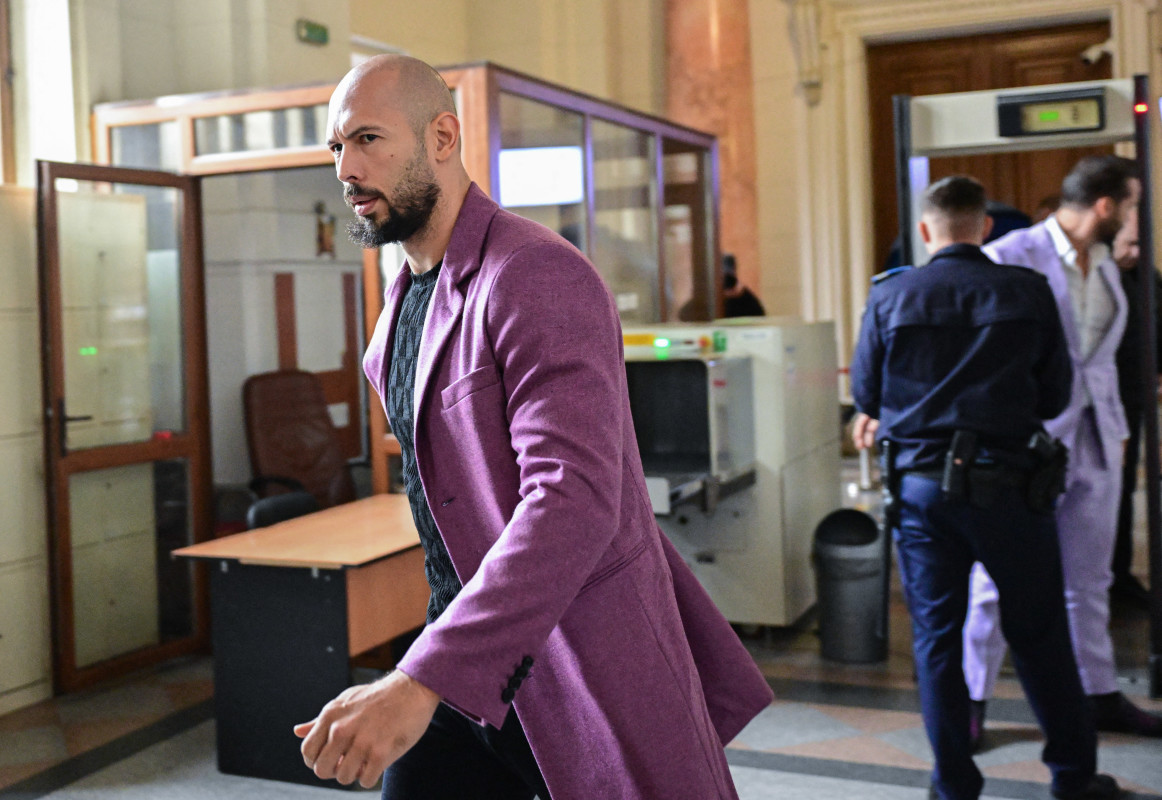
Andrew Tate Puzzled by MicroStrategy's Large Purchase Not Impacting Bitcoin Price
Recently, Andrew Tate publicly questioned how MicroStrategy, led by Michael Saylor, could acquire 10,000 Bitcoin (BTC) in a single day without causing any noticeable impact on the price of the leading cryptocurrency. He expressed his confusion, asking for an explanation.
"Explain that to me."
MicroStrategy, recognized as the largest public company holding Bitcoin, acquired an additional 10,624 BTC for approximately $962.7 million over the past week. This brought the company's total Bitcoin holdings to 660,624 coins, valued at around $60 billion at the time of reporting.
Despite MicroStrategy's significant position as a Bitcoin whale, even this substantial purchase did not lead to an upward movement in BTC's price, occurring amidst a general pullback in the crypto market and ongoing criticism of the company's strategy.
Further Developments:
- •Andrew Tate experienced a "hyperliquidation" event as a Bitcoin crash wiped out his entire trading balance.
- •Michael Saylor addressed JPMorgan's warning regarding MicroStrategy's potential MSCI delisting.
- •Reports indicated that Wall Street giants, including BlackRock, have divested from MicroStrategy shares.
Crypto Experts Weigh In on Tate's Query
In response to Tate's question, several prominent figures in the crypto space offered explanations. Changpeng Zhao, co-founder of Binance, noted that purchasing a small fraction of the market capitalization, such as 1/2000th, typically does not cause significant price fluctuations due to Bitcoin's liquidity.
Buying 1/2000th of the market cap usually do not cause much waves. Btc is liquid. 🤷♂️
— CZ 🔶 BNB (@cz_binance) December 9, 2025
Chase Palmieri, CEO of AcropolisBTC and a shareholder of MicroStrategy, clarified that the company's Bitcoin purchases are executed using algorithms designed to minimize price impact. He also highlighted that the acquisition of the latest batch of Bitcoin occurred over a week, not in a single day, with the announcement being made on one specific day.
Bought over a week with algorithms designed not to impact price, announced in a day.
— Chase Palmieri (@chasepalmieri) December 9, 2025
Crypto analyst Quinten Francois provided a detailed explanation of how large institutions like MicroStrategy acquire Bitcoin through Over-The-Counter (OTC) desks, which operate outside of public trading exchanges. These desks facilitate transactions by matching large buyers with sellers such as miners, early investors, other corporate treasuries, venture capitalists, market makers, private liquidity providers, and distressed holders.
Most people do not understand how OTC desks allow institutions to accumulate Bitcoin without moving the chart. Here is how it actually works.
— Quinten | 048.eth (@QuintenFrancois) December 9, 2025
OTC desks match buyers and sellers off exchange. If a fund wants 5,000 BTC, the desk starts hunting for miners, early whales, VCs, market…
Francois elaborated that these transactions occur discreetly, away from public order books, thereby preventing any visible reaction on price charts. He explained that an order for a significant amount, such as 5,000 BTC, might take weeks to fulfill as the OTC desk accumulates coins incrementally over time before delivering the supply to the buyer. This method effectively avoids causing any noticeable price spikes.
Previously, Andrew Tate was reported to have lost nearly $1 million on trades involving Trump-linked tokens.