


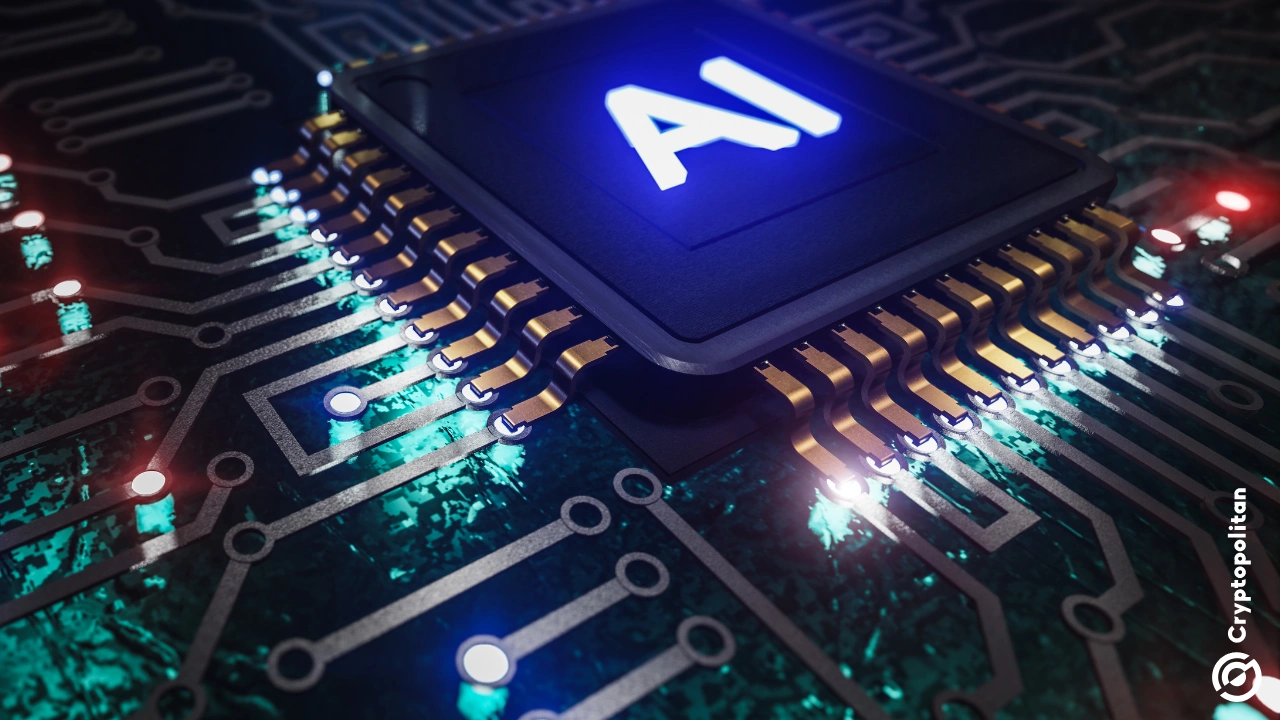
Investors holding shares in Alphabet Inc. are increasingly optimistic about the company’s in-house developed computer chips, known as tensor processing units (TPUs), potentially becoming a significant revenue stream in the coming years.
These TPUs played a role in Alphabet's stock price surge of 31% during the final quarter of the year, marking the tenth-best performance among S&P 500 companies. While historically valuable for bolstering Alphabet’s cloud computing division, there is growing belief that the company may begin selling these chips to external clients, potentially creating a new business valued at nearly a trillion dollars. The central question remains whether this ambitious chip strategy can live up to its promise.
Analyst Projections and Market Potential
Gil Luria, who leads technology research at DA Davidson, suggests that companies seeking alternatives to Nvidia's offerings might turn to Alphabet's TPUs. He estimates that if Alphabet actively pursues external chip sales, TPUs could capture 20% of the artificial intelligence market within a few years, translating to a business worth approximately $900 billion. Luria elaborated that this chip division could eventually surpass Google Cloud in value, but even without external sales, the advancements in chip technology will enhance the efficiency of Google Cloud.
Key Deals Fueling Investor Enthusiasm
Investor excitement has been amplified by two significant announcements. In late October, Alphabet revealed plans to supply tens of billions of dollars worth of chips to Anthropic PBC, a move that propelled the stock up by over 6% in two days. Subsequently, in November, The Information reported that Meta Platforms Inc. was in discussions to spend billions on accessing TPUs, leading to another notable increase in Alphabet's stock price.
TPUs are a type of application-specific integrated circuit (ASIC) chip, designed for specialized tasks such as accelerating machine learning processes. While they may not offer the same versatility as Nvidia chips, their lower cost is a significant advantage in the current climate, where investors are scrutinizing AI technology expenditures.
Mark Iong, an equity investment manager at Homestead Advisers, highlighted that Nvidia chips are expensive and can be difficult to acquire. He positioned Alphabet as a dominant player in the ASIC market, describing its chip capabilities as a key competitive advantage. Iong believes that while Alphabet may not capture the entire market, its advanced chip technology is a crucial component of its stock's appeal.
The recent launch of Alphabet's new Gemini AI model, which has received positive reviews and performs optimally with TPUs, further underscores the chips' value. Iong also noted that Alphabet holds leading positions across all facets of AI, including Gemini, Google Cloud, and TPUs, setting it apart from competitors.
Valuation Considerations Amidst Growth Prospects
Alphabet's stock is currently trading at approximately 27 times its projected earnings, a valuation not seen since 2021 and significantly higher than its 10-year average. Despite this, Alphabet remains more attractively priced compared to industry peers such as Apple Inc., Microsoft Inc., and Broadcom Inc.
Allen Bond, a portfolio manager at Jensen Investment Management, recently reduced his Alphabet holdings as the stock's value increased. Nevertheless, he maintains a positive outlook on the company, seeing a clear pathway for TPUs to become a substantial revenue driver.
Bond observed that Alphabet is demonstrating considerable strength in AI development. While investors are increasingly acknowledging this, he believes the stock's current price still reflects fair value given the growth expectations. He concluded that the growing evidence of AI momentum at a company trading at a discount to Microsoft and Apple makes it a fundamental holding.
Alphabet has invested over a decade in developing its TPU technology. Initially used internally, TPUs became available to cloud customers in 2018. The latest iteration, the Ironwood TPU chip, represents the seventh generation and is reported to be four times faster than its predecessor.
MediaTek shares have also seen an increase, as the company provides components for Google's TPU ecosystem. Analysts have revised their projections upwards, anticipating a significant contribution from TPUs to MediaTek's business through 2028.