



Despite significant investments by telecommunications service providers in Nigeria, only a small fraction of the internet subscriber population, approximately 4 million users or 3%, are utilizing the ultra-fast 5G network. This data comes from the Nigerian Communications Commission (NCC).
The NCC's latest figures also indicate a shift in network dominance, with 4G now leading at 44.96% of subscribers, surpassing 2G, which accounts for 43.53%. 3G holds the remaining 9.32%.
Global 5G Growth and African Potential
Globally, 5G connections have seen rapid expansion, exceeding 1.5 billion by the end of 2023, according to a recent GSMA report. This growth rate makes it the fastest-growing mobile broadband technology to date, reaching this milestone significantly faster than 3G and 4G.
The GSMA projects that Africa will soon host over 340 million 5G connections, representing one-fifth of all mobile links on the continent. Combined, 4G and 5G are expected to constitute nearly two-thirds of Africa's total mobile connections by the decade's end. The report also estimates that 5G alone will contribute $26 billion to Africa's economy by 2030, with substantial benefits anticipated for sectors such as retail, manufacturing, and agriculture.
Since the launch of the first major 5G networks in South Africa in 2020 by Vodacom and MTN, the technology's deployment has been gradually progressing across the African continent.
In Nigeria, three operators were licensed to introduce 5G services. Currently, only MTN and Airtel have launched their services. Mafab Communications, despite holding a public launch event in January 2023, has not yet rolled out its services or deployed any network infrastructure.
Device Affordability as a Key Barrier
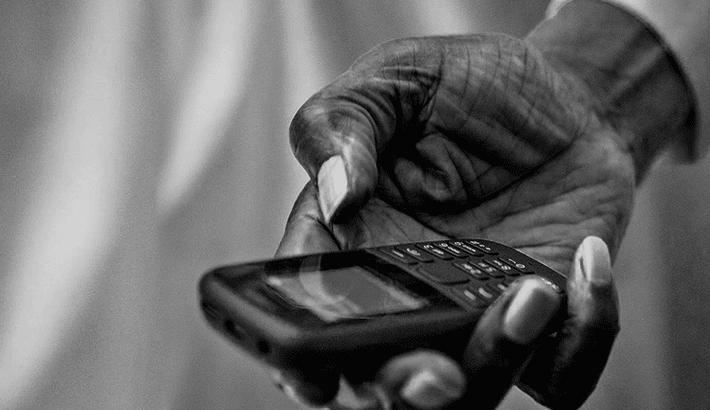
A primary obstacle to widespread 5G adoption, particularly in Nigeria and other African countries, is the cost of compatible devices. While laying the network infrastructure is one challenge, ensuring a sufficient subscriber base with the necessary devices to utilize the service is another. Many users do not possess 5G-compatible devices, which limits the potential for financial returns for operators.
For consumers in Africa, the uptake of 5G networks is heavily influenced by device affordability. Although 5G-enabled smartphones are becoming more accessible, with prices around $150 in many African countries, a significant drop to below the $50 mark, similar to 4G phones, is needed for mass adoption.
A GSMA report supports the notion that device cost is a major deterrent to 5G adoption. While prices are decreasing, 5G devices still command a premium over their 2G, 3G, and 4G counterparts.
To address this, at MWC Kigali 2025, the GSMA and leading African operators initiated a continent-wide effort. This initiative proposes minimum specifications for affordable 4G smartphones and urges governments to eliminate taxes and duties on devices priced under $100. Such measures could potentially reduce handset prices by up to 50%, thereby expanding connectivity to the three billion people in Africa who currently lack meaningful internet access.
Infrastructure and Service Costs Hindering 5G Deployment
High operating expenses present another significant hurdle for 5G deployment. The reliance on a limited number of Western producers for network equipment leads to high acquisition costs and makes telecommunications companies susceptible to currency fluctuations.
Furthermore, network deployment necessitates dense fiber optic backhaul, costly tower upgrades, and substantial power consumption.
In 2023 alone, industry-wide expenses in Nigeria surged by 50.92%, according to the Nigerian Communications Commission (NCC). This increase was driven by higher costs for diesel, escalating security expenses, and the expense of imported equipment. The depreciation of the naira by over 220% between 2021 and 2024 has further exacerbated the financial strain.
The cost associated with vandalism has significantly worsened these challenges.

Repairs and revenue losses stemming from damaged cables cost Nigerian telecom operators approximately N27 billion ($23 million) in 2023, as reported by Bloomberg. MTN alone stated that it had relocated over 2,500 kilometers (1,553 miles) of vulnerable fiber optic cables between 2022 and 2023, incurring costs exceeding N11 billion. This expenditure could have been used to construct over 870 kilometers of new fiber lines in underserved areas.
Path Forward for Nigeria's 5G Aspirations
To align with Nigeria's 5G objectives, improvements in device affordability are essential. This involves both local and global manufacturers offering cost-effective 5G smartphones tailored for the African market.
Additionally, telecommunications service providers need to strengthen their infrastructure-sharing agreements. This would enable operators to reduce costs by jointly utilizing towers, fiber networks, and power facilities.
While new connectivity models, such as satellite solutions like Starlink, are extending reach into remote regions, they alone cannot bridge the entire gap. Sustainable progress hinges on the availability of affordable devices, relevant local services, and the development of digital skills, ensuring that expanded coverage translates into active user participation.