


Ethereum (ETH)
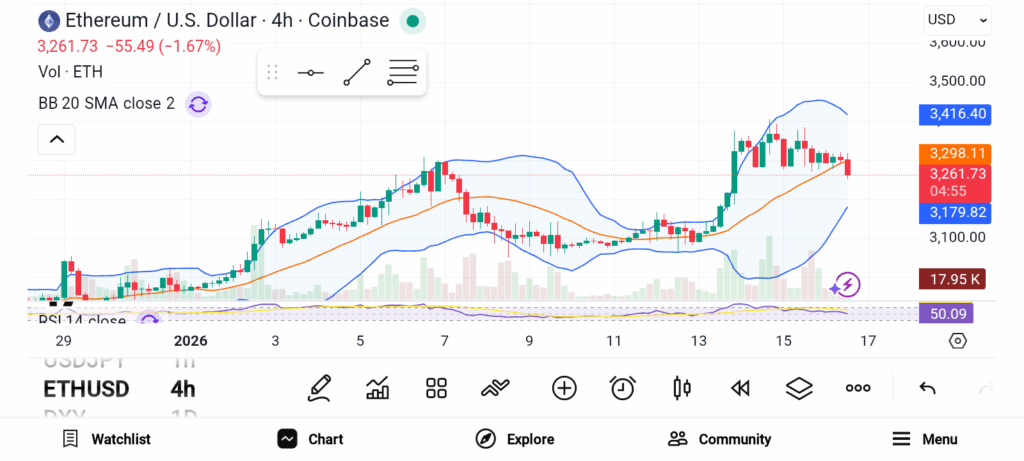
Ethereum remains the foundation of decentralized finance, NFTs, DAOs, and tokenization. Since launching in 2015, the platform introduced programmable money, enabling developers to create applications that run across a global network without relying on intermediaries. The network recently transitioned from proof-of-work to proof-of-stake, greatly improving energy efficiency and network sustainability.
Ethereum also follows a rollup-centric roadmap designed to increase scalability while maintaining security and decentralization. The platform’s vast ecosystem, which includes DeFi platforms, NFT marketplaces, and enterprise solutions, ensures its role as a central settlement layer remains strong. Continued upgrades and active developer engagement keep Ethereum at the forefront of blockchain innovation, making it a core option for investors seeking long-term growth.
Solana (SOL)
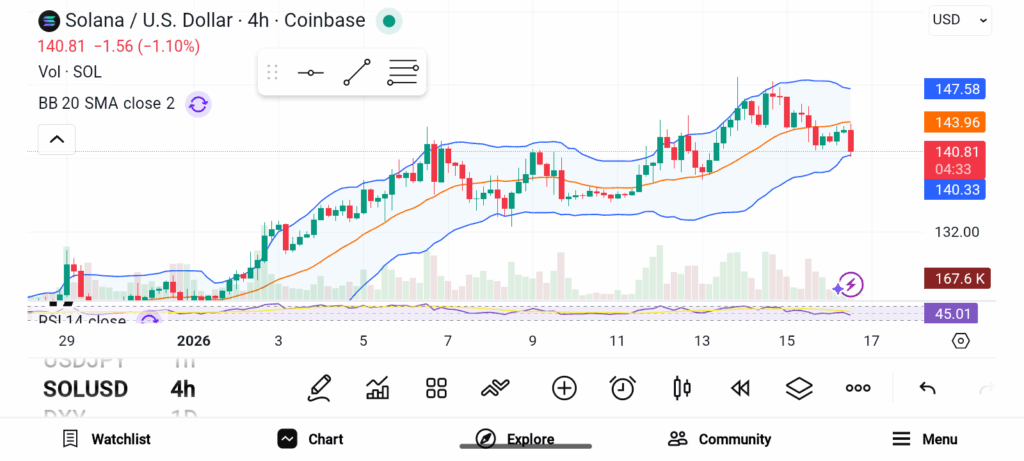
Solana Network offers a very different approach, focusing on speed and efficiency. The network uses a combination of Proof-of-History and Proof-of-Stake to process thousands of transactions per second with near-instant confirmations. This high throughput allows users to experience a smooth, web-like interface that most blockchains struggle to match.
Developers have leveraged Solana’s capabilities to build high-frequency applications, including decentralized exchanges, NFT marketplaces, and blockchain-based games. The network’s ecosystem continues to grow, driven by consumer apps and DeFi projects. Solana’s ability to handle complex, high-volume transactions at minimal cost makes it a strong contender for adoption among projects that demand speed and low fees.
Polygon (POL)
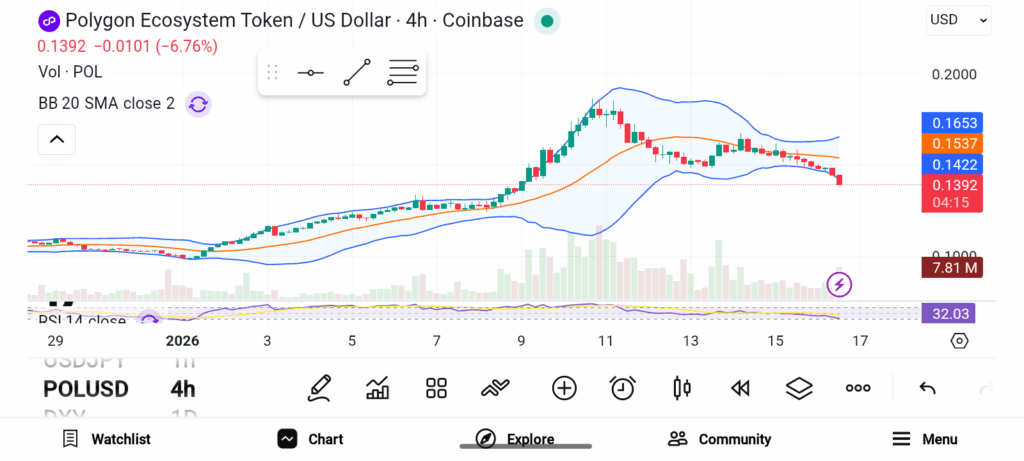
Polygon, formerly Matic, focuses on scaling Ethereum to make transactions faster and cheaper. The network provides a range of scaling solutions, including sidechains, rollups, and developer tools, all while maintaining Ethereum compatibility. Its recent rebranding to POL unified these technologies into a single vision, positioning Polygon as a “Value Layer” where multiple interoperable chains can coexist. This modular framework appeals to developers, enterprises, and global brands seeking flexible, scalable solutions. Polygon has successfully become a hub for projects that require affordable, high-speed Ethereum-compatible infrastructure, and its focus on flexibility and usability ensures continued relevance in the coming years.
Comparative Strengths and Future Outlook
Ethereum leads with its massive ecosystem and flexible settlement capabilities. Solana excels in speed, making it ideal for high-frequency applications and gaming. Polygon enhances Ethereum with scalable, cost-efficient solutions that attract developers and enterprises. Together, these three altcoins offer strong potential for 2026, combining innovation, adoption, and real-world utility for investors seeking smart opportunities.